What Are the Typical Scopes for Influencer Collaboration?
Influencer marketing can be incredibly effective, but only when everyone’s on the same page. Defining the scope of collaboration is essential for avoiding misunderstandings, staying on schedule,…
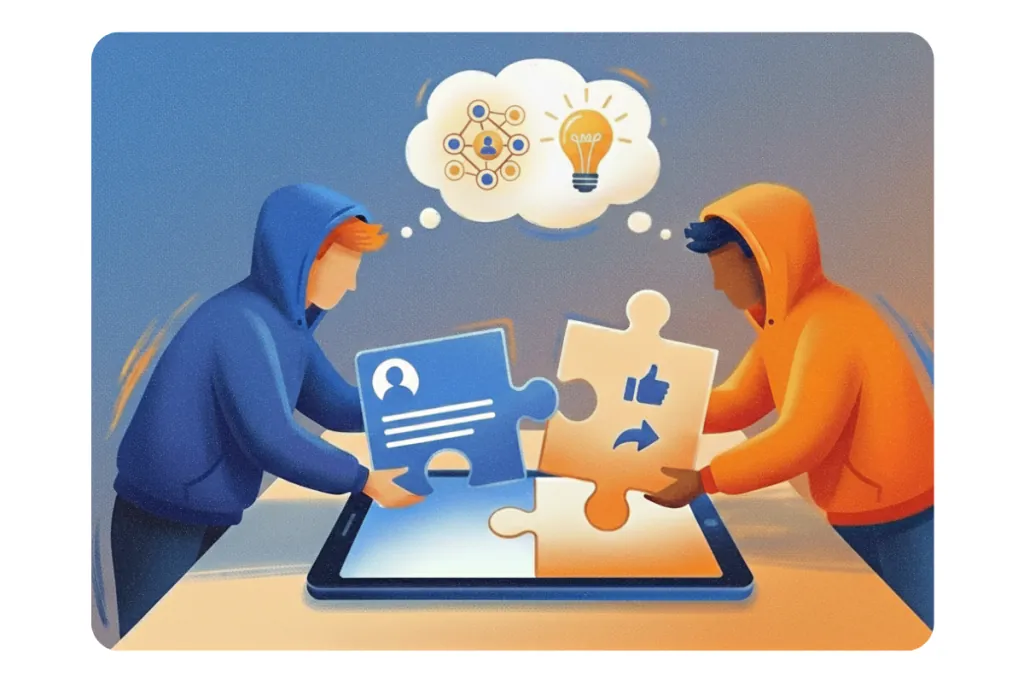
Influencer marketing can be incredibly effective, but only when everyone’s on the same page. Defining the scope of collaboration is essential for avoiding misunderstandings, staying on schedule, and delivering results. From content creation to usage rights and KPIs, here’s a breakdown of the key areas brands and creators should align on before a campaign begins.
Content Creation & Distribution
Content is the foundation of any influencer collaboration, but not all content is created equal. From short-form Reels and TikToks to long-form YouTube videos and blog features, the format needs to align with both the brand’s goals and the creator’s strengths.
At CreatorDB, we help brands define the right mix: Is this campaign about storytelling, product education, or pure awareness? Once that’s clear, we match brands with creators who know how to bring that vision to life — in a way that feels natural to their audience.
We also clarify who is responsible for what. Things to define upfront:
- What platforms are we targeting?…
- What type of content (e.g., unboxing, lifestyle integration, tutorial)?
- Who posts — the creator, the brand, or both?
- Will the content be part of a one-off push or a multi-phase campaign?
Performance Metrics & KPIs
One of the biggest pain points in influencer collaborations is vague or shifting deliverables — that’s why it’s essential to go beyond “one post” and clearly define what’s expected, from content types (Reel, carousel, Stories) to posting dates and review timelines, to avoid surprises and delays.
Key deliverable considerations:
- Number of assets (e.g., 1x Reel, 3x Stories, 1x TikTok)
- Format and orientation (landscape, vertical, captions required, etc.)
- Posting date(s) or windows
- Deadlines for drafts or review rounds
- Approval process
- Performance tracking
Usage Rights & Content Licensing
Not every campaign is about conversions, and that’s okay. But it’s critical to define what success looks like before content goes live.
At CreatorDB, we help brands align their campaign goals with realistic performance metrics. If the objective is brand awareness, we focus on reach, impressions, and engagement rates. If it’s about driving traffic or sales, we ensure the right tracking tools, like UTMs, affiliate links, or promo codes are in place.
Where many campaigns fall short is by expecting influencer content to perform like paid ads. Creators build trust, not clicks-on-command. The best results come when performance expectations reflect how people actually engage with influencer content. Below are some metrics to consider:
- Views, reach, and impressions
- Likes, comments, shares, and saves
- Click-through rates or swipe-ups
- Conversion data (tracked via custom links or codes)
By setting KPIs that match the true intent of the campaign, brands get clearer insights — and creators stay focused on delivering value, not vanity metrics.
Compensation Structure
Content ownership is one of the most overlooked — yet critical — parts of influencer collaborations. Paying for a post doesn’t mean unlimited usage. If content will be repurposed for ads, websites, or other channels, usage terms like duration, platforms, and paid promotion rights must be agreed on upfront. Without clear licensing, brands risk damaging relationships or facing legal issues.
What to define clearly:
- Is the brand allowed to reuse the content?
- Which platforms and channels are included?
- What’s the duration of the license (30 days, 6 months, etc.)?..
- Does it include whitelisting or paid ad usage?
Creative vs. Control
One of the biggest challenges in influencer marketing is balancing brand messaging with the creator’s authentic voice. Too much control, and the content feels scripted. Too much freedom, and the message can miss the mark.
The key is direction, not micromanagement. Influencers know their audience best — they’ve built trust by showing up authentically. When brands allow space for that creativity while providing clear guidelines, the result is content that resonates and converts.
A well-structured brief should outline the goals, must-have talking points, and any visual or tone-of-voice preferences — but still leave room for the creator to shape the delivery.
To strike the right balance, make sure to:
- Share key brand messages and non-negotiables
- Provide examples of past successful content (without asking for replicas)
- Avoid word-for-word scripts — think themes, not teleprompters
- Encourage creators to adapt the message to their style
Legal & Compliance
Behind every great campaign is a layer of legal clarity, and it’s often the difference between a smooth launch and a last-minute scramble.
From disclosure requirements (like using #ad or #sponsored) to exclusivity clauses and content ownership, there are legal boxes that need ticking. These aren’t just formalities — they protect both the brand and the creator.
It’s also important to consider regional regulations. What’s required in the U.S. under FTC guidelines might differ from UK ASA rules or standards in Asia markets. Campaigns that cross borders should be built with that in mind.
Key legal elements to confirm:
- Clear contracts outlining deliverables, payment terms, and usage rights
- Disclosure language that meets regional legal standards
- Exclusivity terms (e.g., can the creator work with competitors?)
- NDAs or confidentiality clauses for unreleased products or campaigns
Getting the legal details right helps avoid confusion, builds trust, and ensures the campaign meets professional standards — from start to finish.
Work with CreatorDB
Put this into
practice.
Talk to our Asia agency team about applying these ideas to a real creator campaign — or open the CreatorDB app and start building your shortlist now.
Frequently Asked Questions.
What should brands and creators agree on before starting an influencer partnership?
Align on content format and platforms, specific deliverables (post types, dates, approval timelines), performance metrics tied to campaign goals, usage rights and licensing terms, compensation, and creative direction. Clear agreements on each area prevent delays, legal disputes, and mismatched expectations. CreatorDB helps brands define these frameworks during partner matching and campaign planning.
How do you set realistic KPIs for an influencer campaign?
Match KPIs to campaign intent, not vanity metrics. Brand-awareness campaigns should track reach, impressions, and engagement rates. Conversion-focused campaigns need UTMs, affiliate links, or promo codes to measure traffic and sales. Influencer content builds trust differently than paid ads — expecting click-on-command performance sets both parties up for failure. Define success upfront so creators focus on genuine value delivery.
What usage rights should a brand negotiate with a creator?
Clarify whether the brand can reuse content beyond the initial post, on which platforms, for how long, and whether it includes paid ad promotion or whitelisting. These terms protect the creator's brand and prevent legal issues for the brand. Paying for a post doesn't grant unlimited rights — licensing agreements must be explicit and documented before content goes live.
How do you balance creative control with a creator's authentic voice?
Provide direction, not scripts. Share key brand messages and non-negotiables, give examples of successful past content, outline tone preferences, and let the creator adapt the message to their style. Micromanaged content feels inauthentic and underperforms; creators know their audience and have built trust through authenticity. A structured brief with clear guardrails works best.
What specific deliverables should be documented in an influencer contract?
Define the number and type of assets (e.g., 1x Reel, 3x Stories, 1x TikTok), format requirements (orientation, captions), posting dates or windows, draft-review deadlines, and approval process. Clear asset specifications prevent scope creep, delays, and misunderstandings about what 'one post' actually means. Document everything to keep campaigns on schedule.