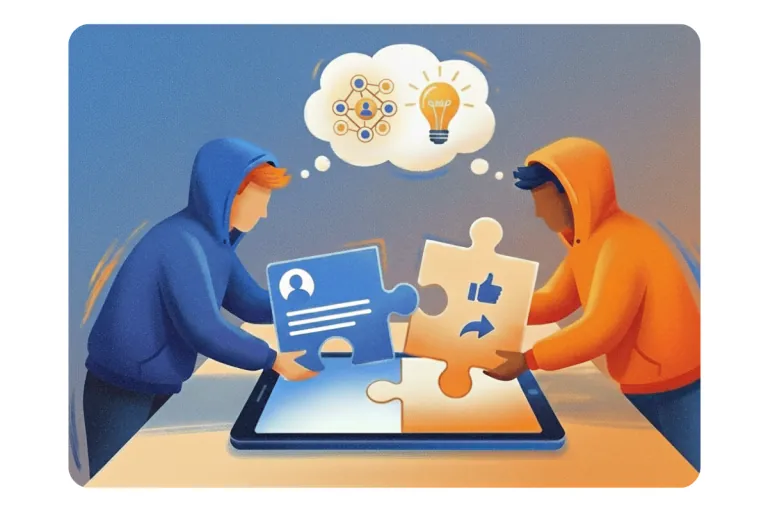
Managing Influencer Expectations: The Key to Successful Partnerships
Influencer marketing has matured into a core growth strategy for many brands—but even with bigger budgets and better tools, campaigns often miss the mark. Why? The most common culprit is…

Influencer marketing has matured into a core growth strategy for many brands—but even with bigger budgets and better tools, campaigns often miss the mark. Why? The most common culprit is mismatched expectations. Brands may assume creators will intuitively nail the tone, deliver content quickly, and generate results with minimal oversight. Meanwhile, creators expect creative freedom, clear direction, fair timelines, and mutual trust. When these unspoken assumptions clash, it leads to misalignment, delays, and frustration on both sides.
The solution isn’t stricter contracts or more rigid guidelines—it’s clear, upfront communication. Managing expectations means aligning on goals, deliverables, tone, timelines, and definitions of success before a campaign kicks off. This clarity lays the groundwork for trust and collaboration, which are essential for any successful influencer partnership. When both sides understand each other’s needs from the start, campaigns run smoother, content performs better, and relationships last longer.
What Goes Wrong When Expectations Aren’t Clear
When influencer campaigns go sideways, it’s rarely because the product was bad or the creator wasn’t talented — it’s usually because no one said the quiet part out loud: What exactly are we expecting from each other?
Maybe the brand assumed the influencer would post within 24 hours, but the creator needed a week to shoot and edit. Or the influencer thought they could write the caption in their own voice, but the brand sent back a page of edits. These mismatches are common, and they chip away at trust, efficiency, and results.
Here’s what’s at stake when expectations aren’t properly set:
- Wasted budget: Content needs reshoots or never gets posted.
- Brand misalignment: Posts feel off-brand or tone-deaf.
- Strained relationships: One-and-done campaigns instead of long-term partnerships.
- Missed performance targets: Campaign goals aren’t met because no one agreed on what “success” looked like.
- Reputation risk: Creators talk, and working with difficult brands spreads fast.
Even minor misunderstandings can snowball. What starts as a missed deadline can end in a creator publicly distancing themselves from your brand. That’s why expectation management isn’t just a soft skill ,its risk management, brand strategy, and relationship building rolled into one.
Common Areas of Misalignment Between Brands and Creators
Most influencer partnerships start with excitement — but even the best intentions can lead to disappointment if expectations aren’t aligned. These are the most common friction points where things tend to go wrong:
Creative Control
Brands want content that aligns perfectly with their image. Influencers thrive when they can create in their own voice. Without clear boundaries on creative freedom, one side is often left feeling frustrated or micromanaged.
Deliverables and Timelines
Is it one Reel, a carousel post, or both? Are Stories included? What’s the deadline — and is it flexible? Ambiguity here leads to delays, confusion, and unmet expectations.
Performance Expectations
Some brands expect influencer campaigns to drive instant sales or traffic. But influencers specialize in trust and awareness — not direct conversions. Misunderstanding this leads to unrealistic KPIs and dissatisfaction.
Usage Rights and Repurposing
Can the brand use the content in ads, emails, or print? For how long? If this isn’t discussed upfront, creators may feel taken advantage of — and rightly so.
Communication Preferences
Some creators want fast replies via DM. Others prefer email and formal contracts. A mismatch in communication styles can slow things down or cause misinterpretations.
How to Set and Managing Influencer Expectations Effectively
The most successful influencer campaigns don’t happen by accident — they’re built on clarity from the start. Managing expectations isn’t about handing over a long list of demands; it’s about mutual understanding and aligned goals.
Here’s how to get it right:
Start with a Clear Brief
Turning Good Campaigns into Great Relationships
Setting expectations is the starting point — but sustaining strong influencer relationships takes more than one well-run campaign. The real value comes when you shift from transactional to transformational partnerships.
Why Long-Term > One-Off
One-off deals might check a box, but long-term collaborations build familiarity, consistency, and trust — both with the influencer and their audience. When a creator genuinely connects with your brand over time, the content feels more natural, and performance tends to improve.
Make It a Two-Way Street
Influencers aren’t just brand messengers, they’re partners. Treat them that way by:
- Sharing performance feedback (and celebrating wins)
- Giving early access to products or launches
- Asking for input on creative direction
- Involving them in campaign planning when possible
This shows creators that they’re valued beyond just deliverables.
Create Room for Growth
The best influencer relationships evolve. Maybe someone starts with a single post but grows into a brand ambassador, event collaborator, or co-creator of a product. That only happens if you invest in the relationship.
Respect Leads to Retention
When you respect timelines, honor creative input, and communicate clearly, you become a brand influencers want to work with again. That reputation compounds — and over time, it gives you a competitive edge in securing top-tier talent.
Managing expectations well doesn’t just get you through a campaign — it opens the door to lasting brand affinity and better long-term ROI.
Why Use CreatorDB’s Agency Service?
Influencer marketing shouldn’t feel like a second full-time job. Instead of spending hours learning platforms, analyzing data, negotiating rates, and hoping for the right match, let CreatorDB do the heavy lifting.
Our agency service eliminates the guesswork. We combine deep data insights with human strategy to handpick creators who align with your brand’s goals and audience. From brief creation to reporting, we manage the entire process, so you can focus on the bigger picture.
Think of us as your in-house influencer team, without the hiring, the spreadsheets, or the stress.
Clear Expectations = Real Influence
Influencer marketing is built on relationships, and like any strong relationship, it thrives on trust, clarity, and communication. Managing expectations isn’t just a project step; it’s the foundation of every successful collaboration.
When brands take the time to set clear guidelines, respect creative boundaries, and maintain open communication, campaigns run smoother, content performs better, and influencers feel genuinely valued. That’s how you move beyond one-off posts and start building partnerships that deliver long-term value.
In a crowded creator economy, brands that manage expectations well don’t just avoid problems, they stand out. They become the ones creators recommend, return to, and represent with pride.
The takeaway? Influencer relationship management doesn’t end at the contract. It starts with clarity and grows with consistency.
Work with CreatorDB
Put this into
practice.
Talk to our Asia agency team about applying these ideas to a real creator campaign — or open the CreatorDB app and start building your shortlist now.
Frequently Asked Questions.
What are the main causes of failed influencer marketing campaigns?
Mismatched expectations between brands and creators. Brands often assume creators will deliver quickly with minimal oversight, while creators expect creative freedom and clear direction. When these unspoken assumptions clash without upfront communication, campaigns suffer delays, content misalignment, and strained relationships. The solution is aligning on goals, deliverables, tone, timelines, and success metrics before the campaign starts.
How should brands and creators agree on creative control?
Establish clear boundaries before work begins. Brands need to specify which elements are non-negotiable for brand alignment — visuals, messaging tone, product positioning — and where the creator has freedom to inject their own voice. Without these boundaries upfront, one side ends up feeling micromanaged or constrained. Transparency prevents frustration and keeps the relationship collaborative rather than adversarial.
What specific details should be in an influencer campaign brief?
Include deliverables (exact number and type of posts), deadlines, content approval process, usage rights, performance metrics, communication preferences, and payment terms. Specify whether Stories, Reels, or carousels are included. Define success clearly — whether it's awareness, engagement, or conversions — so both sides measure results the same way. Ambiguity on any of these points leads to delays and misalignment.
Why do influencers and brands have different expectations about campaign results?
Brands often expect direct sales or immediate traffic, but influencers specialize in building trust and awareness — not driving conversions. These are distinct value types that require different metrics. Brands who misunderstand this set unrealistic KPIs and become dissatisfied with campaigns that succeed at what influencers actually do. Aligning on what the partnership is meant to achieve prevents disappointment.
Are long-term influencer partnerships better than one-off campaigns?
Long-term collaborations outperform one-off deals because they build familiarity, consistency, and trust with both the creator and their audience. One-off campaigns check a box but don't accumulate the relationship equity that sustains stronger results over time. Shifting from transactional to transformational partnerships — where you work with creators repeatedly — unlocks deeper audience connection and better campaign performance.