Micro-Influencer Marketing Strategies & Research
Micro-influencers deliver higher engagement at lower costs. Learn proven strategies and research-backed tactics to run profitable campaigns in 2026.
Not every brand can afford to pay one of the Kardashians six figures for a single social media post.
In the current influencer marketing landscape, if you want to keep the costs down while having better reach and engagement, micro-influencers are here to stay.
In this article, we are going to explore micro-influencers, what they are better than others, why they are effective, how to work with them in a campaign, and the most common mistakes you should avoid based on our own experience. Here we go.
Althoguh…if you want to jump straight into action, feel free to contact us and start your next campaign right away.
Understanding Micro-Influencers
First, we need to define what micro-influencers are and what makes them different from other influencers.
What Are Micro-Influencers?
The most common way to split influencers is based on their follower count.
- 1 M+: Mega influencers or Celebrities
- 100K to 1M: Macro influences
- 10K to 100K: Micro-influencers
- 1K to 10K: Nano-influencers
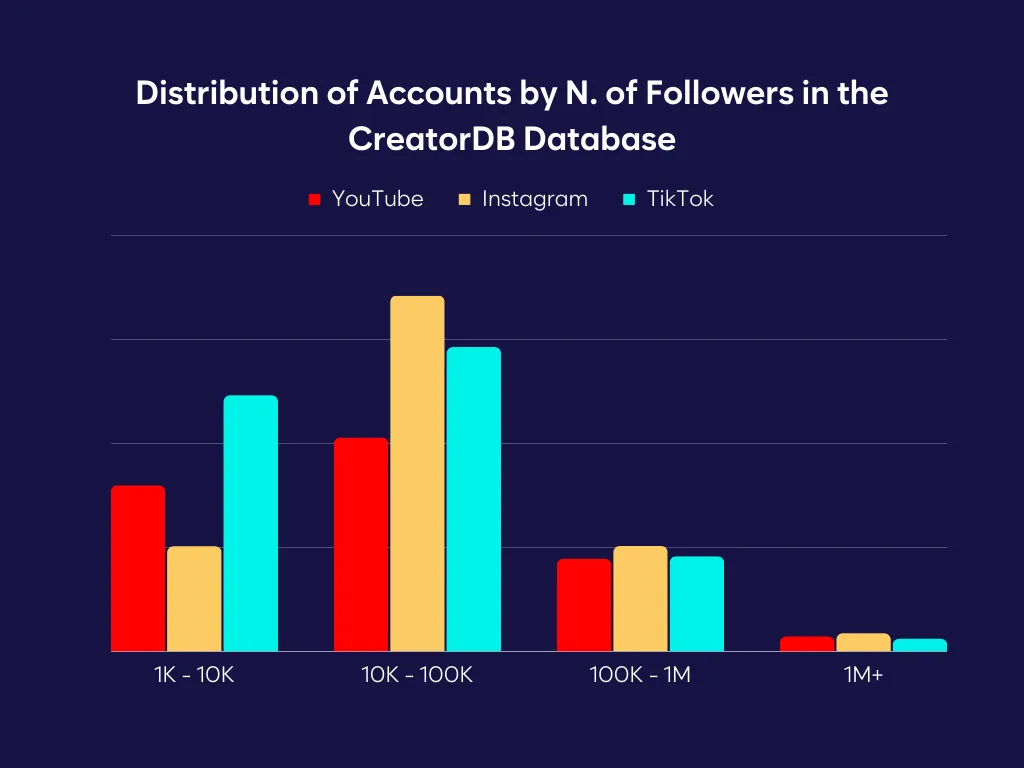
Micro-influencers have a pretty sizable following but are still manageable for a more individualized and authentic approach and connection.
Their content is deeply connected to their niche and also reflected in the highly segmented audience.
Why micro-influencers are so important?
Micro-influencers are the lifeblood of influencer marketing. While campaigns that feature large accounts may catch more general attention, micro-influencers carry on most of the work and bring the results home.
With their audience between 10K and 100K, they are in a sweet spot regarding their connection with the audience: their message can reach a large enough pool of people for marketing campaigns, meanwhile it still remains authentic to the viewers.
To put this into data, we pulled out some insight from our influencer database to find out exactly where micro influencers excel and by how much.

What we discovered
The content creators between 10k and 100k subscribers are posting regularly: almost 3 times a week on YouTube, 1 time a week on TikTok, +50% from the 1K to 10K bracket, and 1.2 times per week on Instagram.
This data shows how they are dedicated to keeping their audience aware and engaged.
Their audience is enjoying this dedication and it shows with high engagement rates: on TikTok, a micro-influencer can expect upward of 8.5%, breaking any industry standard that would see a 5% as an excellent result.
YouTubers of the same size only reach a 3.6% engagement rate on average. Although it may seem disappointing but it also is related to how the data are calculated. For both platforms, the number of interactions on each post (like, dislike, share, comments) is divided by the number of views each piece of content receives.
The average micro-TikToker has just a bit more than 130K views, while the average YouTuber in the same subscriber bracket is looking to pass 11 million views. 100 times more views.
This comparison should also highlight how certain platforms can generate much more loyal and dedicated audiences than others.
The Power of Authenticity
Micro-influencers offer a great compromise between authenticity, content quality, and professionalism.
Their content is well curated and not too polished, it make their audience feel their interest and passion authentically, which is hard to see in the ones with bigger influencers.
This middle-ground situation provides the audience with good enjoyable content while still preserving a more authentic and connected experience.
Why Micro-Influencer Marketing Works?
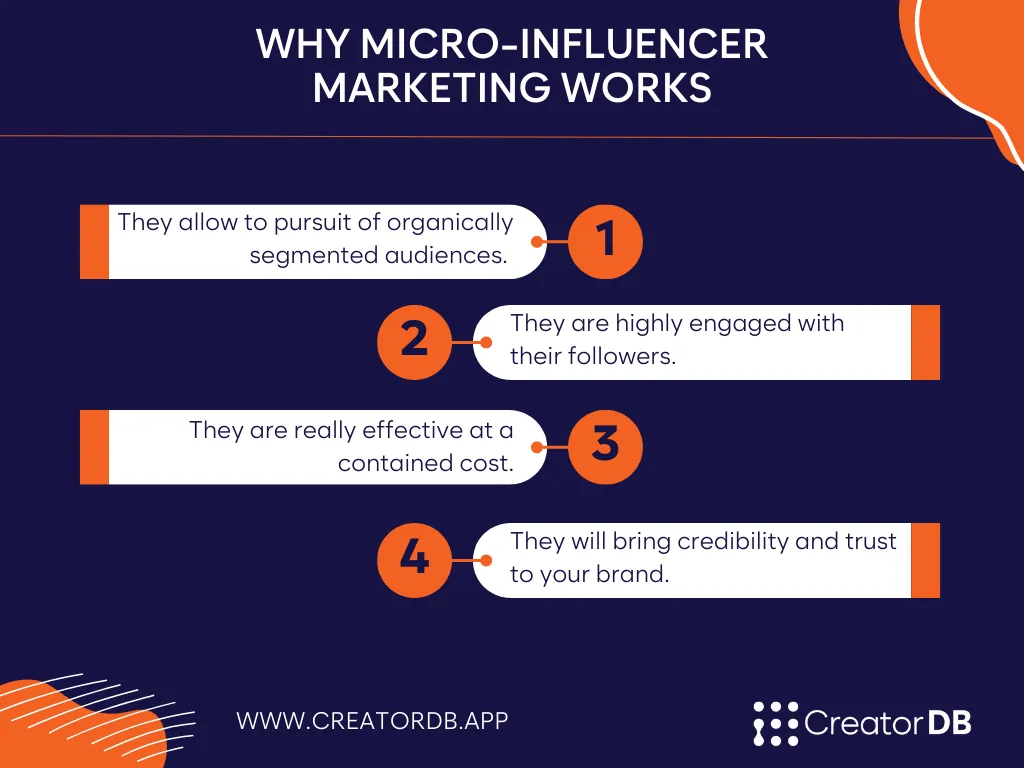
As a marketer, you may wonder: why not just partner with a larger influencer and get more traffic on the sponsored content? There is a myriad of reasons, here are the four main ones:
Niche Relevance
Many micro-influencers are “stuck” in the tier because the content they make is specialized and aimed towards a few particular interests.
They grow to be experts in their field and are highly regarded by the community around them but in many cases, the particular community they are part of is not large enough to make them grow over the micro-influencer level.
For marketers designing a campaign, this is extremely helpful since it allows them to target very detailed and segmented audiences.
High Engagement
Micro-influencers grow deep and organic connections with their audience. As a result, the audience is very involved and reactive to the influencer’s content.
Similarly, since the content is centered around a specific topic, many audience members keep endorsements and recommendations coming from micro-influencers in high regard.
Cost-Effectiveness
When considering their trusted nature, high engagement rates, and segmented reach micro-influencers offer a much more cost-effective approach to influencer marketing than larger influencers.
Enhanced Credibility
Micro-influencers base their success on being at the forefront of their field and bringing valuable information to their audience.
Therefore, their audience trusts them and feels they are a reliable source of information. Comparatively larger influencers and celebrities’ area of expertise is less defined leading to them being seen as less reliable on specialized issues.
Implementing a Successful Micro-Influencer Campaign
Micro-influencers are amazing and all. But how can they be used in a marketing campaign?
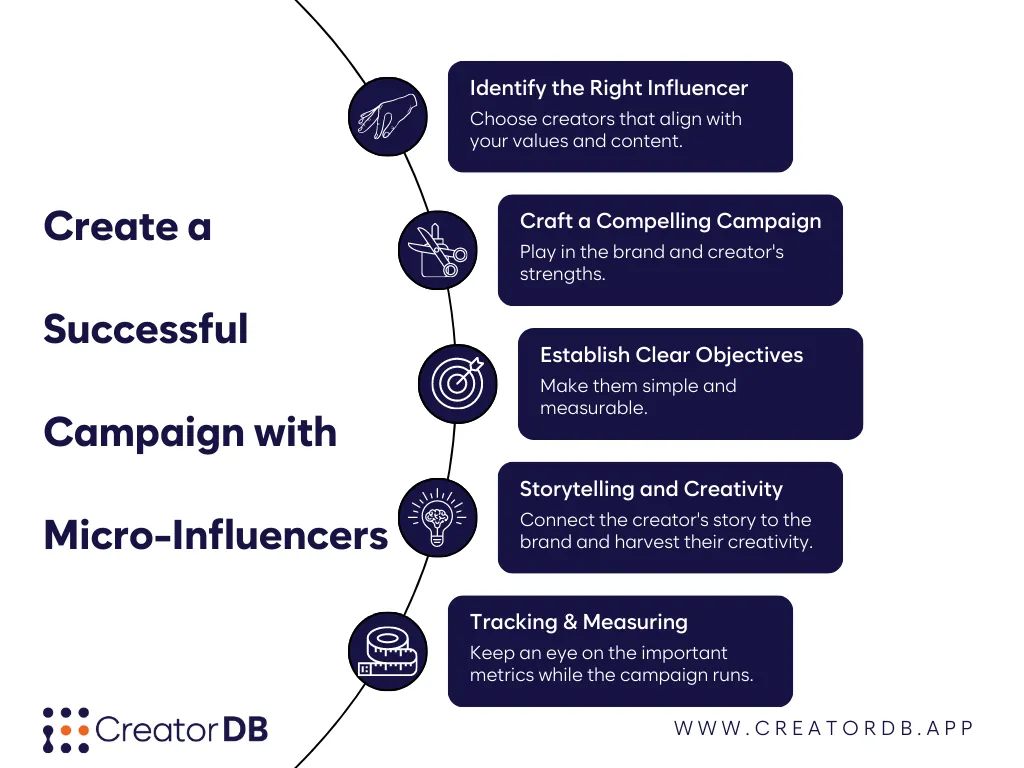
Identifying the Right Influencers
First of all, it is important to find the influencers that match your campaign. Both form a content and values standpoint.
But even more important is to have a good workflow that allows us to identify indicators of a potential partnership and to find creators at scale.
CreatorDB gives you the tools to find the right influencers and easily compare them, understand their strengths, and contact them.
Leverage the tools and expertise of CreatorDB’s influencer database, to streamline influencer identification and campaign creation. Book a free consultation to learn how to boost your ROI with influencers.
Crafting a Compelling Campaign
Once the influencers have been chosen it is important to create a campaign that plays both the brand and the influencers’ strengths.
Follow these three guidelines to ace it:
Establishing Clear Objectives
It’s important to have in mind what is the campaign goal before starting to find influencers and discussing deliverables.
This way it is possible to already have an idea of what kind of qualities are preferable in the influencers to partner with, and which kind of platforms are preferable.
Leveraging Storytelling for Impact
Connect the creator’s story with the brand. This way the campaign will have more chances to resonate with the audience and leave a lasting impression.
Let the creator help in this phase, they are knowledgeable on how to create content for their audience.
Creative Freedom Yields Authenticity
Allow the creators to express themselves, and give their touch to the campaign. This way the campaign will feel more connected with the greater and play along the authenticity bond that the audience is already having with the micro-influencer.
Tracking and Measuring Results
While the campaign is running, make sure to have the goals with measurable metrics and keep track of those.
Tracking the ongoing campaign allows you to know when it needs adjustments or optimization. This way is possible to take action before being fully committed to a suboptimal strategy.
Avoiding Common Pitfalls in Micro-Influencer Marketing
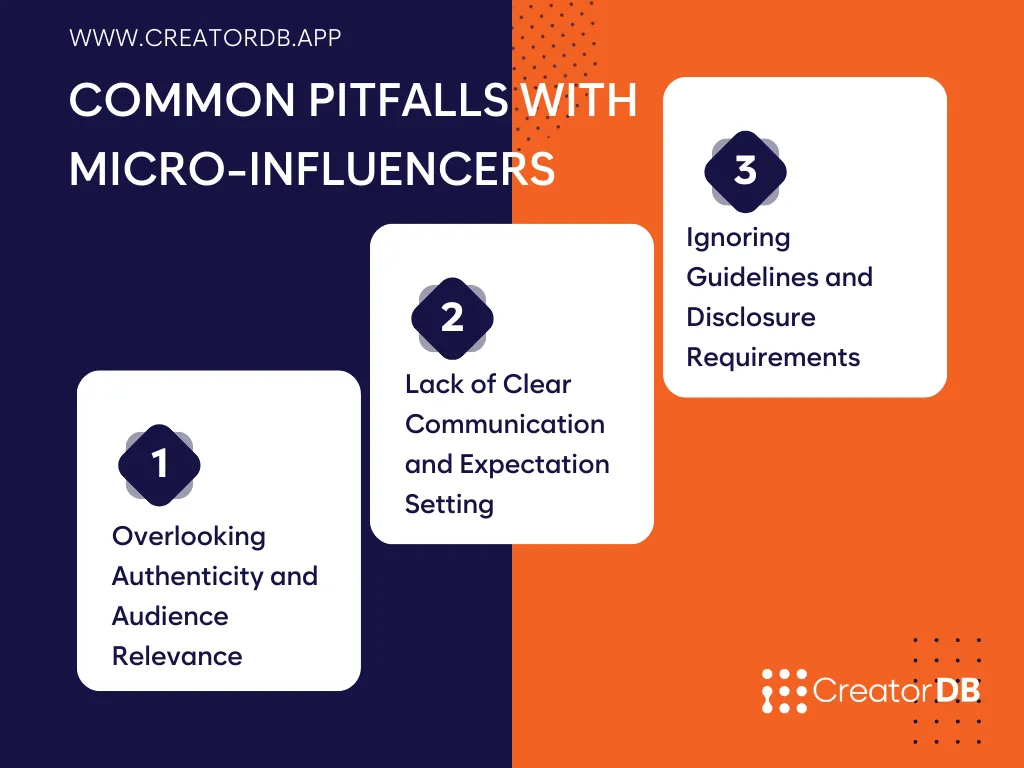
While there are plenty of upsides to using micro-influencers, there are also some risks that brands should be aware of to prevent them from becoming problems.
Overlooking Authenticity and Audience Relevance
Not all that shines is gold. It’s important to evaluate the sentiment around a creator, while most creators have audiences that truly enjoy their content and are dedicated to them, a few people built a following on what is called hate-watching.
By taking into consideration the sentiment around a creator’s posts, it is possible to understand if the audience is on board or just enjoying a trashcan fire.
Similarly, it is important to look at the audience’s interests and what they like to understand if they are a good fit for the brand.
The audience’s interest in the campaign is paramount to its success.
Lack of Clear Communication and Expectation Setting
Many micro-influencers are not well prepared to deal with brands or may lack the experience of being part of a large marketing campaign. This can lead to difficulties in having clear communication or understanding of what is expected from them.
It’s helpful for creators to establish an approval process and a framework for them to build their content.
Ignoring Guidelines and Disclosure Requirements
Countries are rapidly implementing regulations for influencer marketing, especially around the disclosure of sponsored posts.
Some of these rules may be new and not yet known to the micro-influencers involved in the campaign. It’s important to make sure to bring them up to speed.
Conclusion
Micro-influencers have a phenomenal potential that most brands could harvest to amplify their marketing efforts and reach new demographics.
Due to their characteristics, they offer an incredible advantage over other channels and even other types of influencers.
When they are employed correctly, micro-influencers are going to be a huge boost for any brand marketing.
Work with CreatorDB
Put this into
practice.
Talk to our Asia agency team about applying these ideas to a real creator campaign — or open the CreatorDB app and start building your shortlist now.
Frequently Asked Questions.
What follower count defines a micro-influencer?
Micro-influencers have between 10,000 and 100,000 followers. This size sits in a sweet spot: large enough to reach meaningful audience pools for marketing campaigns, yet small enough to maintain authentic, personalized connections with their followers. Larger accounts (100K–1M) are macro-influencers; smaller ones (1K–10K) are nano-influencers.
Why do micro-influencers have higher engagement rates than larger creators?
Micro-influencers on TikTok average 8.5% engagement rates, well above the 5% industry standard, because their audiences are highly niche and deeply invested. Their followers actively engage with specialized content aligned to their interests. YouTubers in the same follower bracket show 3.6% engagement—lower partly because they accumulate 100 times more views per video, diluting engagement ratios across a broader, less segmented audience.
How often do micro-influencers post compared to nano-influencers?
Micro-influencers post almost three times weekly on YouTube, 1.2 times per week on Instagram, and once weekly on TikTok—roughly 50% more frequently than nano-influencers (1K–10K followers). This consistent posting keeps their audiences engaged and aware, demonstrating the dedication micro-influencers invest in maintaining channel momentum and subscriber loyalty.
What makes micro-influencers better for niche brand campaigns?
Micro-influencers specialize in narrow content verticals and command authority within those communities, even if their total follower count prevents growth to macro-tier status. This niche expertise lets marketers target highly segmented audiences with precision—a brand can find creators whose followers are already interested in a specific category rather than broadcasting to a generic, loosely engaged mass audience.
How do micro-influencers balance professionalism with authentic connection?
Micro-influencers curate well-produced content without over-polishing it, striking a middle ground between slick corporate posts and rough amateur clips. Their audiences perceive genuine passion and interest in the topic because the content quality signals professionalism while the tone and presentation remain relatable, creating trust that larger influencers with highly commercialized feeds struggle to maintain.