All the Influencer laws you need to Know (Free E-Book)
Understand influencer marketing laws across countries with our free ebook. Navigate global regulations and ensure compliant campaigns worldwide in 2026.
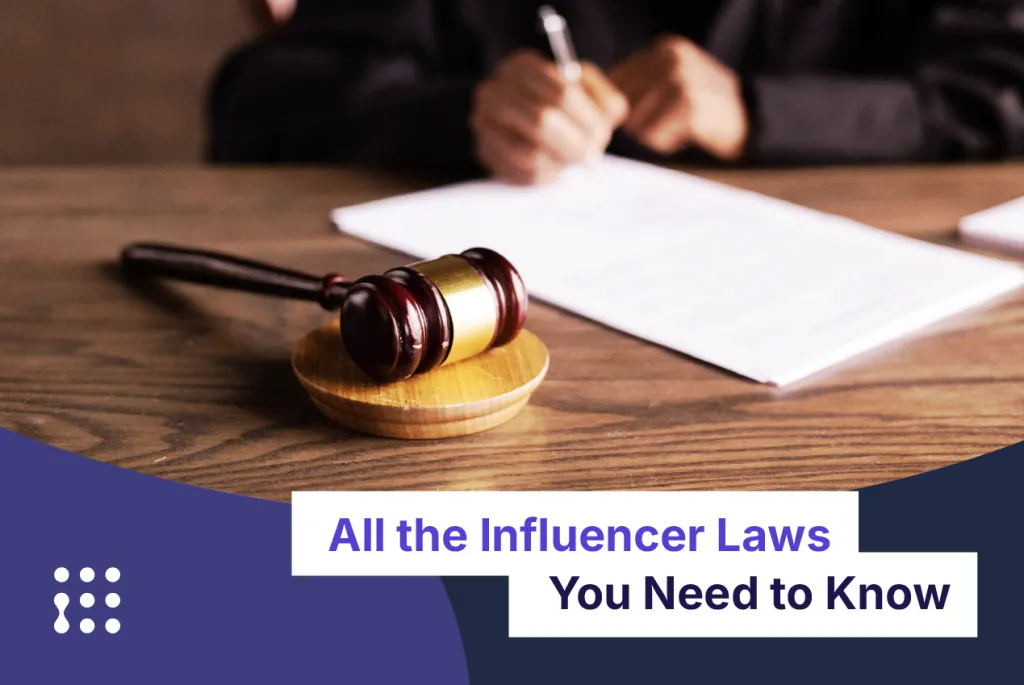
In today’s digital age, influencer marketing has emerged as a powerful tool for brands to connect with their target audiences. However, as this marketing strategy continues to evolve, influencer laws surrounding it vary greatly from one country to another.
Some nations have established specific rules to govern influencer marketing, while others rely on existing marketing regulations to address this rapidly growing industry. Surprisingly, there are even countries where influencer marketing remains unregulated.
In this article, we explore the diverse landscape of influencer marketing regulations around the world, shedding light on ongoing debates, emerging trends, and the importance of understanding legal frameworks in different jurisdictions.
In the end, you will find our comprehensive guide to influencer marketing regulations, a full ebook to help you create a law-complying campaign anywhere in the world.
What are the regulations for influencers?
Influencers fall under many different regulations depending on the country they operate in and where their audience is based. And while each country has slightly different laws and bodies governing influencers and influencer marketing there are three things to look out for:
- Disclosure regulations: how is required to flag the sponsored content in order to be complying with the local authorities
- Advertising Authority Code of Ethics: many countries do not have specific regulations about influencer marketing but refer to already established practices by the local self-governing advertising authority body.
- Common practices: while some countries may not have regulations in place there are often self-imposed practices that are respected and even if is not mandatory to follow them is the best practice to follow them.
When there are regulations in place countries have followed three routes to create their code of conduct:
New influencer laws:
Countries worldwide have taken different approaches to influencer marketing regulations. While some nations have implemented comprehensive guidelines, others are still in the process of considering or developing regulations. When new regulations are introduced often revolve around disclosure requirements, transparency, and consumer protection, aiming to ensure that influencers and brands maintain ethical practices and provide accurate information to their audiences.
Leveraging existing laws:
In the absence of targeted influencer marketing regulations, several countries have turned to existing marketing guidelines to regulate this industry. These regulations may encompass advertising standards, consumer protection laws, and general principles of fair competition. By applying these broader marketing regulations, governments seek to maintain a level playing field for all advertisers and protect consumers from misleading or deceptive practices, even in the context of influencer marketing.
Ongoing debates and experimentation:
Given the rapid growth of influencer marketing, many countries are actively debating and reevaluating their regulations. Governments and regulatory bodies are exploring ways to strike a balance between fostering innovation and safeguarding consumer interests. Some key areas of debate include the definition of influencers and their legal responsibilities, disclosure requirements, the role of social media platforms in monitoring content, and the distinction between organic and sponsored content.
World’s regulations
As influencer marketing regulations continue to evolve, it becomes increasingly important for marketers, influencers, and brands to stay informed about the legal landscape. To aid professionals in this dynamic field, we have compiled an exclusive ebook that collects the current regulations and guidelines from various countries around the world. This comprehensive resource provides an invaluable reference for understanding the legal requirements and best practices in influencer marketing, regardless of the jurisdiction.
Download it here:
This article is part of our series on influencers’ regulations. You can find the other articles here:
Regulation in English-speaking countries
Influencer regulation in Latin America

Work with CreatorDB
Put this into
practice.
Talk to our Asia agency team about applying these ideas to a real creator campaign — or open the CreatorDB app and start building your shortlist now.
Frequently Asked Questions.
What are the three main areas brands must check for influencer marketing compliance?
Disclosure regulations require sponsors to flag paid content visibly. Advertising Authority Code of Ethics sets standards even where influencer marketing lacks specific laws—these self-governing bodies enforce existing ad practices. Common practices, while not always mandatory, represent the expected baseline in each market. All three exist in most jurisdictions; brands must verify which applies locally.
Do all countries have specific influencer marketing laws in place?
No. Some nations have implemented comprehensive influencer-specific regulations, others apply existing marketing and advertising laws, and some have minimal or no formal regulation. Most countries follow one of three routes: creating new influencer laws, leveraging existing marketing guidelines, or relying on self-imposed industry practices. The regulatory landscape remains fragmented globally.
What do new influencer laws typically focus on across different countries?
New influencer regulations centre on disclosure requirements, transparency, and consumer protection. They aim to ensure influencers and brands maintain ethical practices and provide accurate information to audiences. Countries introducing fresh rules prioritize clarity around what constitutes sponsored content and how prominently it must be flagged to comply with local consumer protection standards.
How are governments regulating influencer marketing without specific influencer laws?
Many countries apply existing marketing regulations—advertising standards, consumer protection laws, and fair competition principles—to influencer content. This broader regulatory approach maintains consistency with traditional advertising rules while protecting consumers from misleading or deceptive practices. It allows governments to govern influencer marketing without drafting entirely new legislation.
What key questions are regulators debating as influencer marketing grows?
Regulators debate the legal definition of influencers and their responsibilities, specific disclosure requirements, platforms' role in monitoring content, and how to distinguish organic from sponsored posts. Governments seek to balance fostering innovation with protecting consumers and ensuring transparent communication. These ongoing debates shape how regulations will evolve across different jurisdictions.