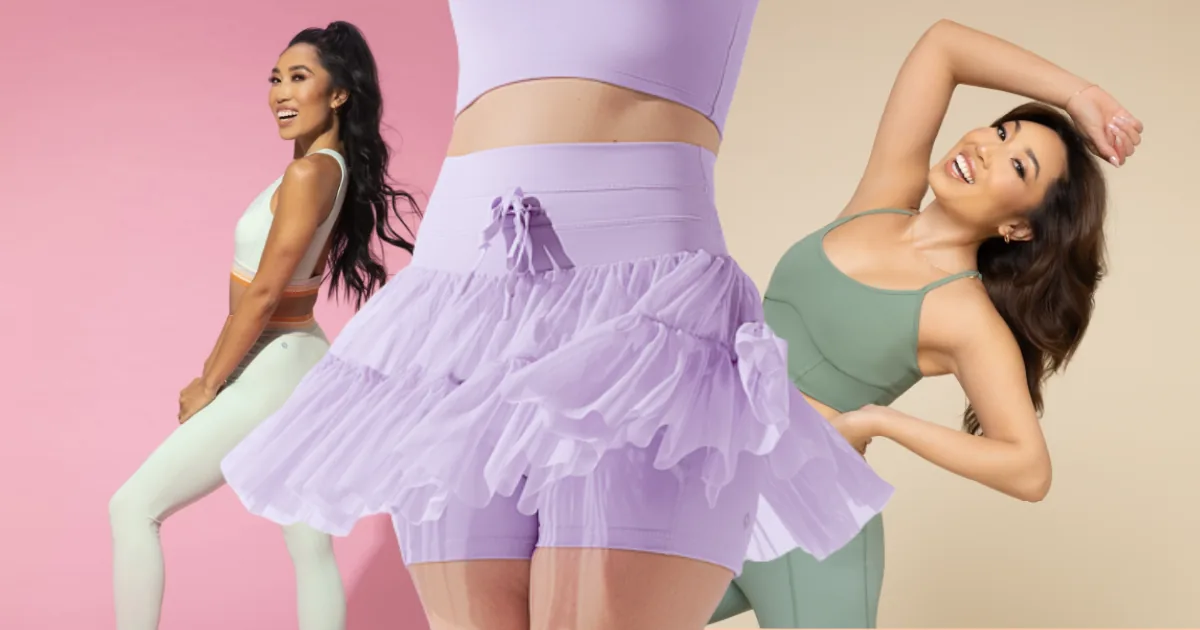
Cassey Ho and POPFLEX’s Pirouette Skort, the design at the center of the controversy.
Who exactly did SHEIN steal from?
But before that, who is Cassey Ho? She is the owner of the small-but-mighty brands, Blogilates and POPFLEX. Blogilates was founded in 2009 as a YouTube channel where she focused on fitness content, but around 2022 she shifted her content and brand away from the fitness industry and toward the design, clothing industry. Her designs went viral for the amount of thought that went into them, including the functionality of each piece, the comfortability incorporated into the seam placement, the fabrics and materials used, and the inclusivity of the sizes.
https://www.instagram.com/p/DIk6zhPsUj4/?hl=en
Cassey’s brand felt different from other activewear focused brands. She listened to her customers and reflected that in her designs. This one difference led her to the path of success. Her clothing brand, POPFLEX, was truly popping off, however, some followers commented that her pieces were on the pricier side. So, in late December 2024, Cassey launched an exclusive and more affordable clothing line, Blogilates, with Target, which was also a massive success. Additionally, Taylor Swift was seen wearing POPFLEX’s Pirouette Skort in 2023, creating yet another viral internet buzz around her designs. But with internet virality, in comes the sharks. This is where SHEIN enters the picture.
So, what really happened to the Pirouette Skort?
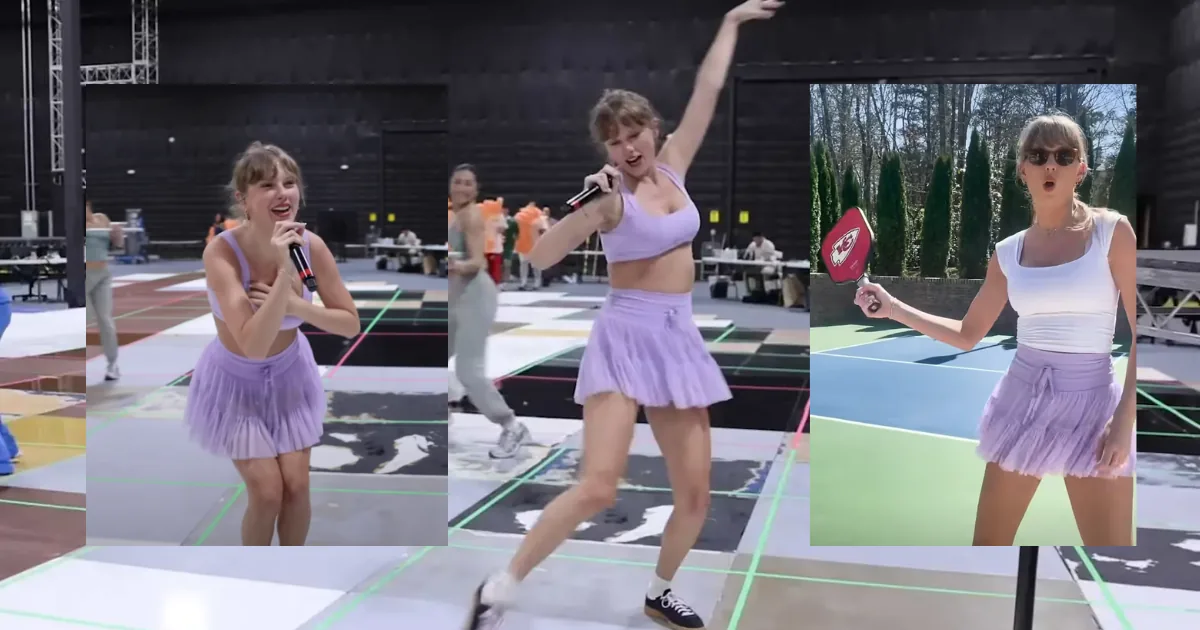
Taylor Swift wearing the Pirouette Skort in 2023, which sent the design viral all over again.
Around 2023, Cassey Ho relaunched a second generation design for her Pirouette Skort that made some tweaks to the original design released in 2021. The skort now featured a strong pocket at the side of the short, a ballet inspired tiered skirt, and an adjustable waistband. The exact same elements were then seen on a SHEIN product. The website even advertised the skort with similar pictures as the ones Cassey had modeled for her website. The composition was almost identical, and the model also looked similar to Cassey. Many people have called out SHEIN for doing this before to other small creators. For example, Elexiay, a Black-owned and handmade small business had their two-color knitted sweater (Amelia sweater) completely ripped off; the only thing missing being the quality.
Despite the public criticism, SHEIN continues to avoid direct responsibility by either wiping the products off of their website or saying that since they work with individual manufacturers who can sell any product on their marketplace, they are not responsible for the counterfeits created. Nonetheless, this is extremely frustrating for small businesses like POPFLEX and Elexiay who have their intellectual property stolen and their hard labor switched out for exploited labor in regions like China, Vietnam, Bangladesh, and more. Not only is SHEIN not an ethical brand, as it continues to churn out 10,000 new garments a day, it even suppresses ZARA, the original fast fashion giant that changed the game, creating 450 million garments a year.
Before this era of fast fashion, all large fashion companies made two releases per year and spent nine months in advance perfecting their designs in order to make sure their designs would sell. However, with the new model ZARA created and SHEIN perfected, there’s no longer any risk factor of clothes not selling as they are only made in small batches. Then, depending on how well the product sells, they’re either pulled from the shelves or continue to be manufactured. Shoppers are then able to enjoy the cheap prices and the amount of trendy designs available.
Fast fashion happened, now what?
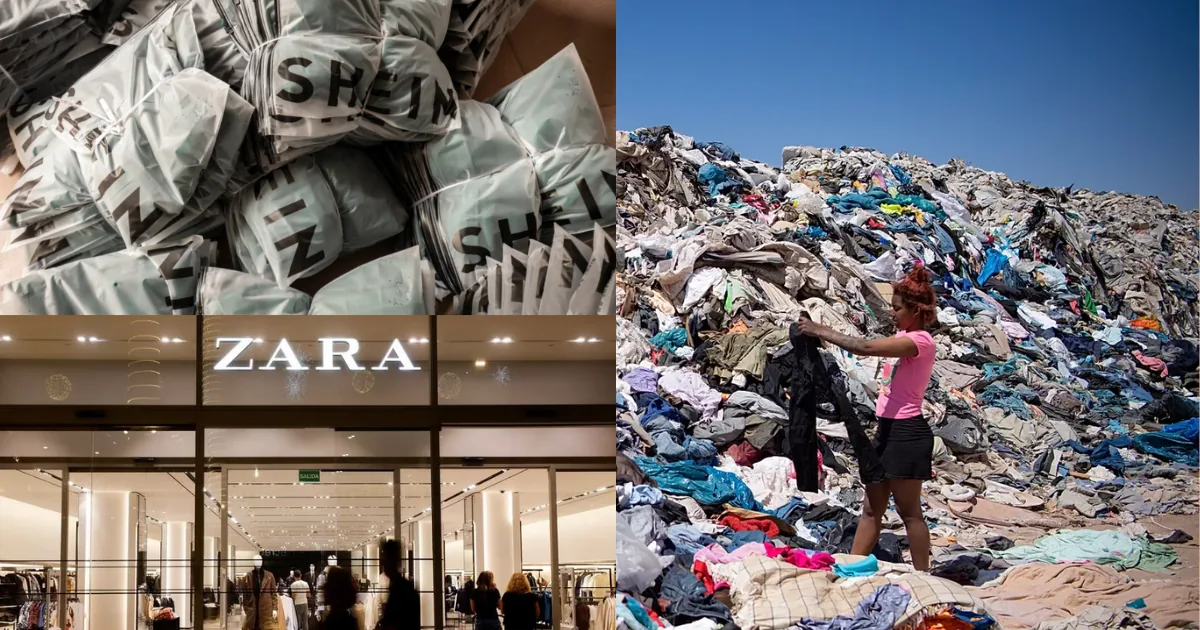
SHEIN and ZARA turned clothing into disposable product. The textile waste is the other half of the story.
It may seem like all is said and done. Since the term fast fashion was coined by the New York Times in the 1990s in an article about ZARA, shoppers haven’t looked back and have been relishing in the inexpensive prices of clothing. However, with influencers like Blogilates who raise awareness to the cheap counterfeits that these fast fashion brands are creating, more people are now standing up against this practice. Her influence led another retail brand who stole her Pirouette Skort design as well, Gottex, to turn off their Instagram comments due to the amount of hate they were getting. Additionally, her followers were also going after Nordstrom for stocking the counterfeit Gottex produced. This just shows the amount of power that is held in the trust between an influencer and their curated audience.
It doesn’t end there. Many people have been voicing their environmental and ethical concerns surrounding the products they are thinking of buying. And YouTubers like Mia Maples have been responding. Mia Maples reviews products and evaluates them with ethics and sustainability in mind, promoting viewers to think twice before buying something. The tides can change, and consumers have the power to reduce the amount of clothes they are buying. And at the center of it all are the creators who promote those practices.
In recent years, we have seen an incredible revitalization for the practice of thrifting, buying things secondhand instead of buying them new. Thrifting was big during the hippie movement in the 1960s, but in our modern era everyone has been hopping onto the trend. Many people have been sharing their “thrift hauls,” even big names like Emma Chamberlain. Now, instead of thrifting being seen as a lack of status, it has become a symbol of curated fashion taste and creativity. And it all starts with the creator economy.
Biggest takeaways and best practices moving forward
Fast fashion brands like SHEIN will never stop knocking off handmade designs from small creators. That’s the sad reality. However, that doesn’t make us, as creators and consumers, powerless. We have the power of the purse, and these days, more often than not, people are opting out of buying from fast fashion brands. In any case, it’s incredibly important to acknowledge that you have an impact. No matter how small your decisions feel, in the grand scheme of things it matters. To Cassey and Elexiay, it matters that you choose to support the original instead of buying into the dupes. Furthermore, encouraging the people around you to also think twice when shopping at fast fashion brands will make a difference.
Find the Creators Shaping What People Buy
CreatorDB gives you data on millions of creators across YouTube, Instagram, and TikTok, so you can spot the ones driving real cultural moments before the copycats catch on.
Search Creators Free →