United States
Wirecutter is a product review and recommendation outlet founded in 2011 by journalist Brian Lam, originally as a gadget-focused buying-guide site, and acquired by The New York Times Company in 2016.
Total Followers +0.9%
587K
Across Instagram, TikTok
Primary Platform
YouTube
403K followers · 69% of audience
Engagement
1.7%
vs. 1.5% category median
Sponsorship Tier
Mid
Est. $6K–$14K / IG post
Wirecutter drove over $1 billion in gross merchandise value in both 2023 and 2024. After years of affiliate-only revenue, the brand introduced advertising — and met its full-year 2025 ad goal by midyear.
In its 2025 year-in-review, Wirecutter marked the podcast's first anniversary and noted expanded skin-care, beauty, and style editorial. Celebrity guests including Conan O'Brien and Martha Stewart appeared on the show.
NYT launched a dedicated podcast under the Wirecutter brand, expanding its content beyond written product reviews.
| Window | TikTok | Combined | ||
|---|---|---|---|---|
| Last 7 days | +967 +0.2% | +92 +0.1% | +0 +0.0% | +1K |
| Last 30 days | +4K +1.1% | +1K +0.7% | +0 +0.0% | +6K |
| Last 90 days | +22K +5.5% | +9K +4.8% | +0 +0.0% | +31K |
| Last 365 days | +22K +5.5% | +9K +4.8% | +0 +0.0% | +31K |
Daily follower snapshots from CreatorDB's longitudinal index.
Wirecutter is a product review and recommendation outlet founded in 2011 by journalist Brian Lam, originally as a gadget-focused buying-guide site, and acquired by The New York Times Company in 2016. Its editorial premise — rigorously testing products before recommending just one or two per category, funded by affiliate commissions rather than advertiser relationships — set it apart from the product-review landscape at launch and remains its defining identity. That independence is a deliberate brand asset the team consistently emphasizes across platforms, with the TikTok bio flatly stating "our reviews are never sponsored." Coverage has expanded well beyond consumer electronics into home goods, kitchen equipment, apparel, personal care, and lifestyle categories, reflecting the broad needs of a value-conscious, research-before-buying audience.
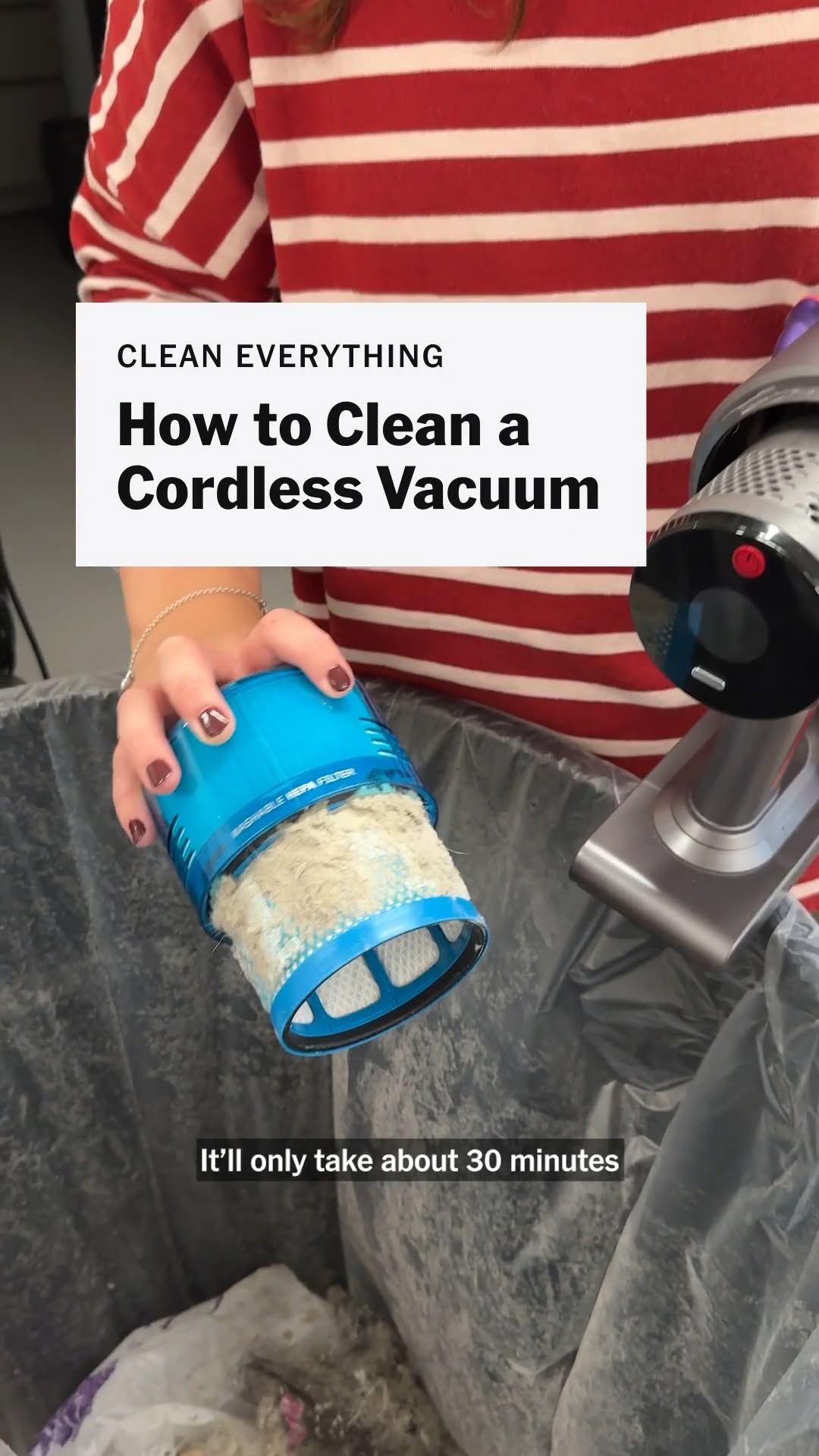
On social media, Wirecutter translates its long-form testing methodology into short, curiosity-driven content — clips showing what actually happens inside a dishwasher, taste tests, birding gear spotlights, and style picks from everyday retailers like Old Navy — formats that perform well with its predominantly female, millennial-core audience concentrated in the 25–44 age band. Engagement sits modestly above category median on Instagram and considerably higher on TikTok, suggesting the short-video format suits the "here's what we found" reveal structure that underpins Wirecutter's editorial voice. As a media brand rather than an individual creator, its social rate card positions it firmly in mid-tier influencer territory, making it an accessible entry point for consumer-goods brands seeking editorial credibility adjacent to NYT's broader trust halo — a positioning that becomes more valuable as audiences grow skeptical of overtly paid creator content.
Wirecutter reaches an audience concentrated in United States primarily through YouTube, and is best activated via Instagram Reels and Stories, TikTok branded content. As a tech creator they map naturally to brands targeting that space. With no brand deals logged yet, they read as an available, category-aligned partner for advertisers building early presence in the space. Engagement on YouTube runs around 1.7%, which points to an audience better suited to category-relevant, mid-funnel campaigns than to pure-reach buys. The channel's mix of Instagram Reels and Stories and TikTok branded content lets a sponsor choose between short awareness placements and longer, more detailed integrations. Because the audience follows tech content rather than arriving through untargeted reach, sponsorships that match the channel's subject matter tend to convert more efficiently than broad placements. A consistent, on-topic posting focus gives sponsors a predictable, brand-safe environment, lowering placement risk compared with broad, general-interest channels. Campaigns here are best measured on qualified engagement and consideration within the niche rather than on raw impression volume. For United States-focused brands in tech and related categories, Wirecutter offers a defined, creative-fit audience rather than broad, low-intent impressions.
Benchmark estimates for a creator at Wirecutter's tier (Mid, 587K combined followers, United States). Pulled from CreatorDB's category benchmarks.
The CreatorDB Agency runs end-to-end influencer campaigns globally — shortlisting, outreach, contracting, and performance reporting. Talk to our team about building a campaign around creators in this niche.
Yes, Wirecutter was acquired by The New York Times Company in 2016, and the brand openly identifies itself as part of the "NYT family" in its own social bios. It continues to operate under its own editorial identity, with a focus on independent, hands-on product testing rather than news coverage.
Wirecutter explicitly states that its reviews are never sponsored — a policy it highlights in its TikTok bio. The outlet earns revenue through affiliate commissions when readers purchase products through its links, which is designed to keep brand money entirely out of the editorial process.
Wirecutter uses an affiliate model: when a reader clicks one of its recommendation links and completes a purchase, Wirecutter earns a commission from the retailer. This is disclosed openly in its bio, and the structure is specifically chosen to preserve review independence while still generating revenue.
Wirecutter has been testing and reviewing consumer products since 2011, making it one of the longer-running independent product-testing outlets on the internet. That multi-year track record is a core part of the credibility it promotes to readers.
Wirecutter was founded by Brian Lam, a former editor at Gizmodo, in 2011. He built it around a "fewer but better" editorial philosophy — publishing deeply researched single best-pick recommendations rather than cataloguing every product on the market.
Yes, Wirecutter's unionized staff staged a high-profile strike timed around Black Friday 2021, one of the outlet's most valuable affiliate revenue periods. Workers were pushing for improved wages and working conditions following the New York Times acquisition, and the timing was widely covered as a strategic pressure tactic.
Wirecutter's short-form social content spans a surprisingly broad range — taste tests, dishwasher experiments, cleaning product head-to-heads, bird-watching gear, and style picks from retailers like Old Navy. The videos mirror the hands-on testing philosophy from its long-form written reviews, just condensed into short clips.
Wirecutter physically tests products, which is central to its brand identity — its bio explicitly says "we personally test and review products." Testing formats range from controlled experiments, like tracking what happens to a detergent pod inside a running dishwasher, to extended real-world use evaluations across product categories.
Wirecutter has built its entire content strategy around "best pick" recommendations backed by hands-on testing, which directly matches how shoppers phrase searches online. Operating under The New York Times umbrella since 2016 has also significantly boosted the domain authority that helps its pages outrank general retailers and review aggregators.
Yes, Wirecutter maintains an active TikTok account where it posts product testing clips, taste tests, and category showdowns consistent with its no-sponsored-content editorial stance. Its TikTok engagement runs above the typical rate for media brand accounts, suggesting the short-form format has connected with a younger audience beyond its core web readership.
Stats (followers, engagement, audience demographics, growth) are pulled live from the CreatorDB API covering YouTube, Instagram and TikTok. Bio and FAQ content is AI-assisted; news items are sourced from cited public press at generation time. Read the full methodology →
If you'd like to update, correct, or remove this profile, get in touch and we'll handle it within 5 business days. We don't publish private data — every stat shown comes from your public platform profiles.
@wirecutter · YouTube
+0 new followers
Preparing fresh data…
This usually takes 15–25 seconds.