United States
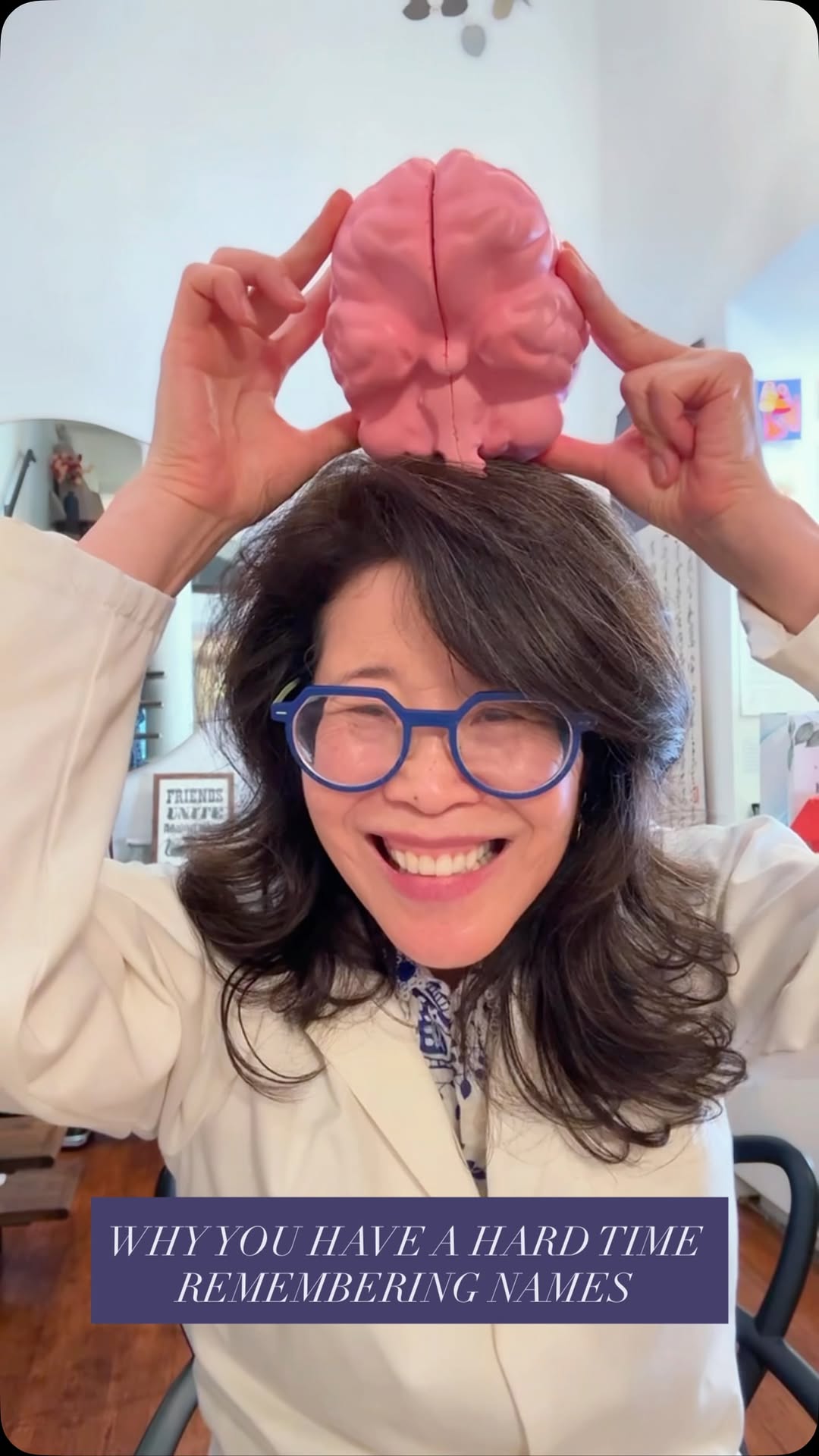
Wendy Suzuki is a professor of neural science and psychology at New York University and Dean of its College of Arts and Science — a dual role that sets her apart from most wellness creators.
Total Followers +0.0%
172K
Across Instagram
Primary Platform
172K followers · 100% of audience
Engagement
5.2%
vs. 1.5% category median
Sponsorship Tier
Mid
Est. $3.4K–$8.6K / IG post
| Platform | Followers | 30d Growth | Engagement | Posts / wk | Last upload |
|---|---|---|---|---|---|
| 171,751 | +17 | 5.2% | 4.7 | 3 days ago |
| Window | Combined | |||
|---|---|---|---|---|
| Last 7 days | -103 -0.1% | +0 +0.0% | +0 +0.0% | -103 |
| Last 30 days | +17 +0.0% | +0 +0.0% | +0 +0.0% | +17 |
| Last 90 days | +1K +0.8% | +0 +0.0% | +0 +0.0% | +1K |
| Last 365 days | +1K +0.8% | +0 +0.0% | +0 +0.0% | +1K |
Daily follower snapshots from CreatorDB's longitudinal index.
Wendy Suzuki is a professor of neural science and psychology at New York University and Dean of its College of Arts and Science — a dual role that sets her apart from most wellness creators. Her public profile expanded substantially after her TED Talk on exercise-induced neuroplasticity drew tens of millions of views, establishing her as a prominent science communicator well beyond academia. Her book "Healthy Brain, Happy Life" reinforced that positioning by blending accessible memoir with research-backed guidance. On Instagram, she continues translating complex neuroscience into optimistic, practical content around cognitive health, physical movement, and intellectual curiosity, maintaining a consistent cadence that keeps her mid-sized following notably active.
Wendy.Suzuki reaches an audience concentrated in United States primarily through YouTube, and is best activated via Instagram Reels and Stories. As an education creator they map naturally to brands targeting that space. With no brand deals logged yet, they read as an available, category-aligned partner for advertisers building early presence in the space. Engagement on YouTube runs around 5.0%, which points to an audience better suited to category-relevant, mid-funnel campaigns than to pure-reach buys. Their YouTube-first format lends itself to integrations that sit inside the creator's usual content rather than running as standalone ads. Because the audience follows education content rather than arriving through untargeted reach, sponsorships that match the channel's subject matter tend to convert more efficiently than broad placements. A consistent, on-topic posting focus gives sponsors a predictable, brand-safe environment, lowering placement risk compared with broad, general-interest channels. Campaigns here are best measured on qualified engagement and consideration within the niche rather than on raw impression volume. For United States-focused brands in education and related categories, Wendy.Suzuki offers a defined, creative-fit audience rather than broad, low-intent impressions.
Benchmark estimates for a creator at Wendy.Suzuki's tier (Mid, 172K combined followers, United States). Pulled from CreatorDB's category benchmarks.
The CreatorDB Agency runs end-to-end influencer campaigns globally — shortlisting, outreach, contracting, and performance reporting. Talk to our team about building a campaign around creators in this niche.
Wendy Suzuki's TED Talk, titled "The brain-changing benefits of exercise," has been viewed tens of millions of times and makes the case that regular aerobic exercise physically reshapes the brain — growing the hippocampus and prefrontal cortex while boosting memory, focus, and mood. In it she shares her own story of transforming from a sedentary lab researcher into a fitness convert after noticing the mental benefits firsthand.
Wendy Suzuki's book lays out the neuroscience behind how lifestyle habits — especially aerobic exercise, sleep, and social connection — physically remodel the brain for better memory, resilience, and emotional wellbeing. She weaves in her own research on the hippocampus alongside practical steps readers can apply immediately, making the science accessible to a general audience.
Yes — in addition to "Healthy Brain, Happy Life," Suzuki wrote "Good Anxiety," which reframes anxiety not as something to be eliminated but as a brain signal that, when understood correctly, can be channeled into motivation and creativity. The book translates decades of neuroscience research into concrete strategies for turning anxious energy into a productive tool.
Suzuki's research shows that aerobic exercise directly targets the hippocampus — the brain region responsible for forming new long-term memories — and can physically increase its size over time. Even a single workout, she explains, immediately elevates levels of dopamine, serotonin, and noradrenaline, producing a temporary boost in focus and mood that can last for hours.
At NYU's Center for Neural Science, Suzuki's lab focuses on the hippocampus and how factors like exercise and attention alter its structure and function in ways that affect memory formation. Her work sits at the intersection of basic neuroscience and applied wellness, which is a core reason her research translates so naturally into public science communication.
Wendy Suzuki serves as Dean of the College of Arts and Science at NYU, one of the university's flagship and largest schools, overseeing a broad range of humanities, social science, and natural science departments. She holds that position alongside her active research lab and her public platform, making her unusual among academic leaders for her visibility on social media.
"Beautiful brain stories" is a recurring content thread on Suzuki's Instagram where she spotlights everyday moments, personal breakthroughs, or scientific anecdotes that illustrate how the brain shapes human experience. The series reflects her broader mission to make neuroscience feel emotionally resonant and personally relevant rather than abstract or clinical.
Suzuki consistently points to regular aerobic exercise as the highest-impact daily habit for long-term brain health, citing its unique ability to stimulate neurogenesis in the hippocampus and raise mood-regulating neurotransmitters simultaneously. She often emphasizes that the bar is lower than most people think — even a brisk walk counts — because the brain responds to movement at any intensity.
Wendy Suzuki is most active on Instagram, where she regularly shares brain-health insights, personal reflections, and science-backed lifestyle tips, and she maintains a YouTube presence as well. Her TED Talks, hosted on the TED YouTube channel, also serve as a major discovery point for people encountering her work for the first time.
Her following skews strongly toward younger adults, with the 18-to-34 age range making up the largest share, and the audience is split nearly evenly between men and women — an unusual balance for a science educator. The demographic suggests she draws both students influenced by her academic reputation and younger professionals actively seeking evidence-based approaches to mental performance and wellbeing.
Stats (followers, engagement, audience demographics, growth) are pulled live from the CreatorDB API covering YouTube, Instagram and TikTok. Bio and FAQ content is AI-assisted; news items are sourced from cited public press at generation time. Read the full methodology →
If you'd like to update, correct, or remove this profile, get in touch and we'll handle it within 5 business days. We don't publish private data — every stat shown comes from your public platform profiles.
@wendy.suzuki · Instagram
+0 new followers
Preparing fresh data…
This usually takes 15–25 seconds.