United States
Mashable was founded in 2005 by Pete Cashmore as a blog covering social media and emerging web culture, eventually growing into one of the more recognizable digital media brands at the intersection of tech, entertainment, and internet culture.
Total Followers +0.0%
2.8M
Across YouTube, Instagram, TikTok
Primary Platform
YouTube
1.2M followers · 43% of audience
Engagement
2.6%
vs. 1.5% category median
Sponsorship Tier
Macro
Est. $15K–$34K / IG post
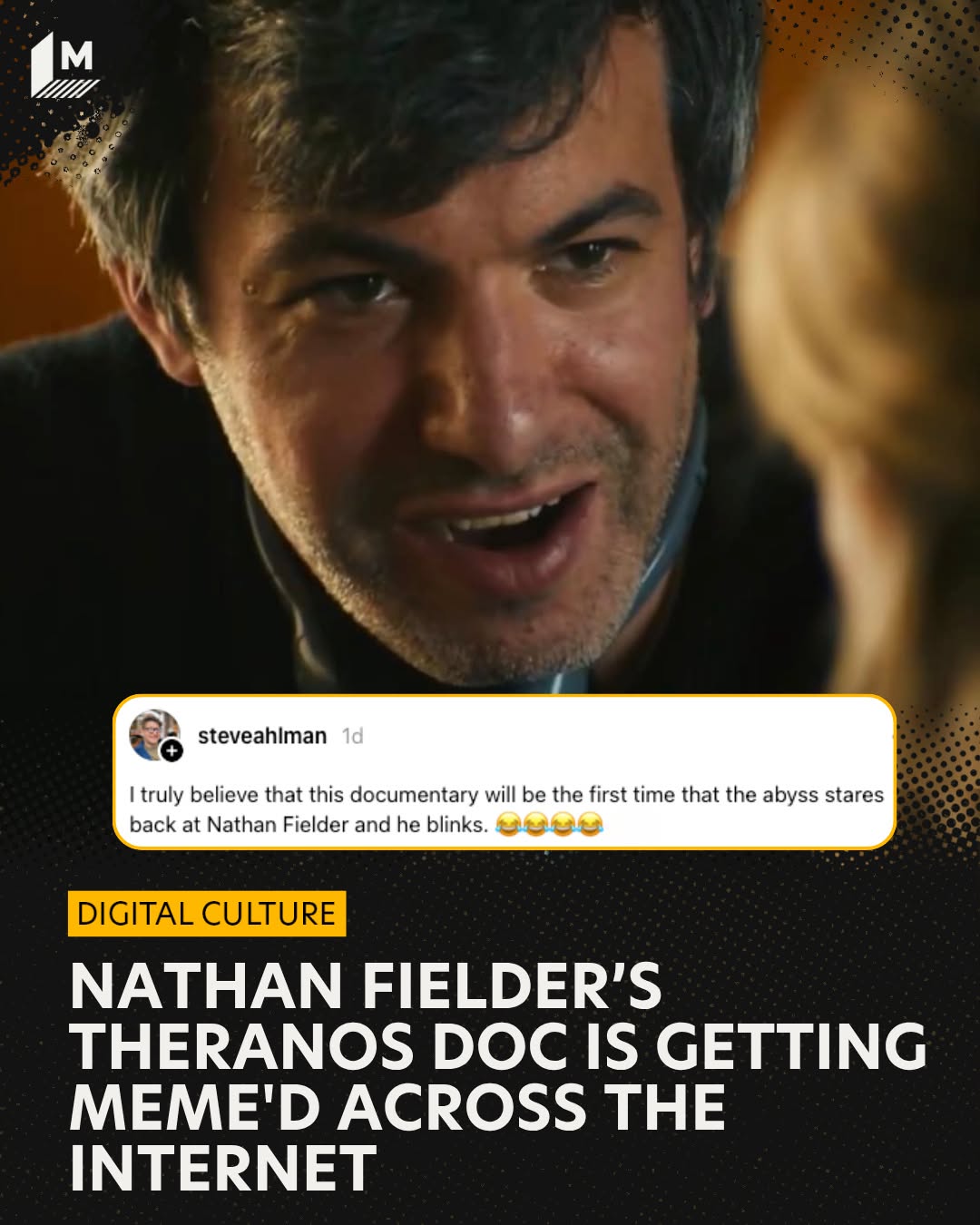
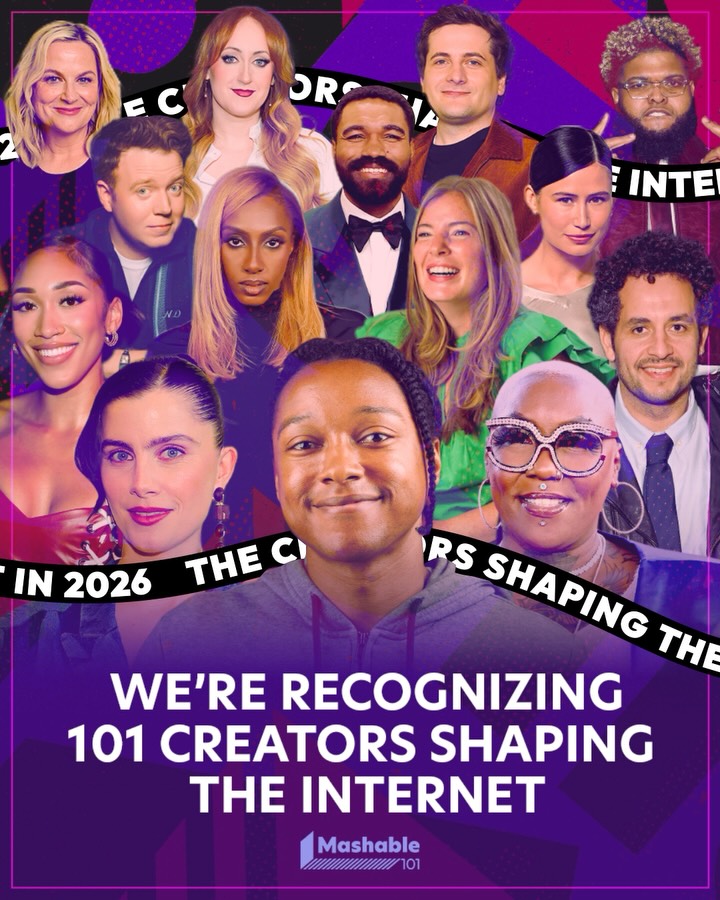
Mashable unveiled its first-ever Mashable 101, hand-selected by editors, spotlighting 101 creators — from MrBeast and Kai Cenat to rising names like Jools Lebron — across content, entrepreneurship, and social good categories.
Parent company Ziff Davis announced the layoffs amid a broader 2025 media industry trend of workforce reductions. The Ziff Davis Creators Guild criticized the cuts as prioritizing corporate profits over editorial quality.
| Window | YouTube | TikTok | Combined | |
|---|---|---|---|---|
| Last 7 days | +0 +0.0% | -295 -0.0% | +0 +0.0% | -295 |
| Last 30 days | +0 +0.0% | +885 +0.1% | +243 +0.0% | +1K |
| Last 90 days | +0 +0.0% | +492 +0.1% | +1K +0.2% | +2K |
| Last 365 days | +0 +0.0% | +492 +0.1% | +1K +0.2% | +2K |
Daily follower snapshots from CreatorDB's longitudinal index.
Mashable was founded in 2005 by Pete Cashmore as a blog covering social media and emerging web culture, eventually growing into one of the more recognizable digital media brands at the intersection of tech, entertainment, and internet culture. Acquired by Ziff Davis in 2017, it has since evolved from a news aggregator into a multi-platform content operation producing reviews, commentary, and personality-driven coverage. Its self-declared positioning — 'not for the casually curious' — marks a deliberate editorial stance favoring enthusiast depth over broad accessibility, a shift visible in its recent concentration on niche-but-passionate subjects like the Dropout streaming network and its programming ecosystem.
The audience reflects that positioning: overwhelmingly male, concentrated in the 18–34 bracket, and predominantly US-based, with secondary reach into the UK, Canada, and India. Engagement running above category median suggests the superfan framing is landing rather than alienating. Content clusters around pop-culture fandoms (Taylor Swift, Beyoncé), tech product cycles, and internet-native media — a blend that makes Mashable a credible fit for streaming services, consumer electronics, and entertainment advertisers seeking audiences with genuine category investment rather than passive scroll behavior.
Mashable reaches an audience concentrated in United States primarily through YouTube, and is best activated via long-form YouTube integrations, Instagram Reels and Stories, TikTok branded content. As a tech creator they map naturally to brands targeting that space. With no brand deals logged yet, they read as an available, category-aligned partner for advertisers building early presence in the space. Engagement on YouTube runs around 2.6%, which points to an audience better suited to category-relevant, mid-funnel campaigns than to pure-reach buys. The channel's mix of long-form YouTube integrations and Instagram Reels and Stories lets a sponsor choose between short awareness placements and longer, more detailed integrations. Because the audience follows tech content rather than arriving through untargeted reach, sponsorships that match the channel's subject matter tend to convert more efficiently than broad placements. A consistent, on-topic posting focus gives sponsors a predictable, brand-safe environment, lowering placement risk compared with broad, general-interest channels. Campaigns here are best measured on qualified engagement and consideration within the niche rather than on raw impression volume. For United States-focused brands in tech and related categories, Mashable offers a defined, creative-fit audience rather than broad, low-intent impressions.
Benchmark estimates for a creator at Mashable's tier (Macro, 2.8M combined followers, United States). Pulled from CreatorDB's category benchmarks.
The CreatorDB Agency runs end-to-end influencer campaigns globally — shortlisting, outreach, contracting, and performance reporting. Talk to our team about building a campaign around creators in this niche.
Mashable was founded in 2005 by Pete Cashmore, who launched it as a teenager from his home in Aberdeenshire, Scotland. It began as a blog dedicated to social media and web technology before growing into one of the most recognized digital media brands in the world, now operating out of the United States.
Ziff Davis acquired Mashable in 2017, bringing it under the same umbrella as other major digital media properties. Mashable has continued publishing as an independent brand under that ownership, with its editorial focus shifting increasingly toward video and social platforms.
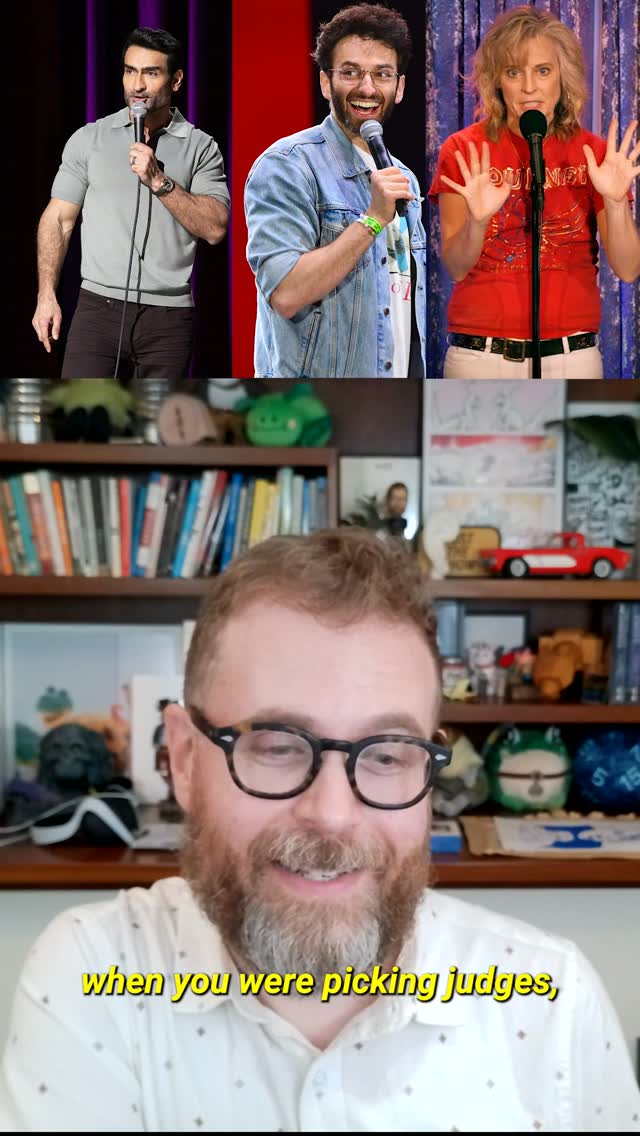
Mashable has made Dropout one of its most consistent editorial beats because the streaming platform's unconventional, fan-first approach to building and greenlighting shows offers the kind of behind-the-scenes storytelling that resonates with Mashable's superfan audience. The coverage spans multiple interviews and explainers about Dropout's programming decisions, its shows like Game Changer and Crowd Control, and its broader strategy for surviving as an independent streamer.
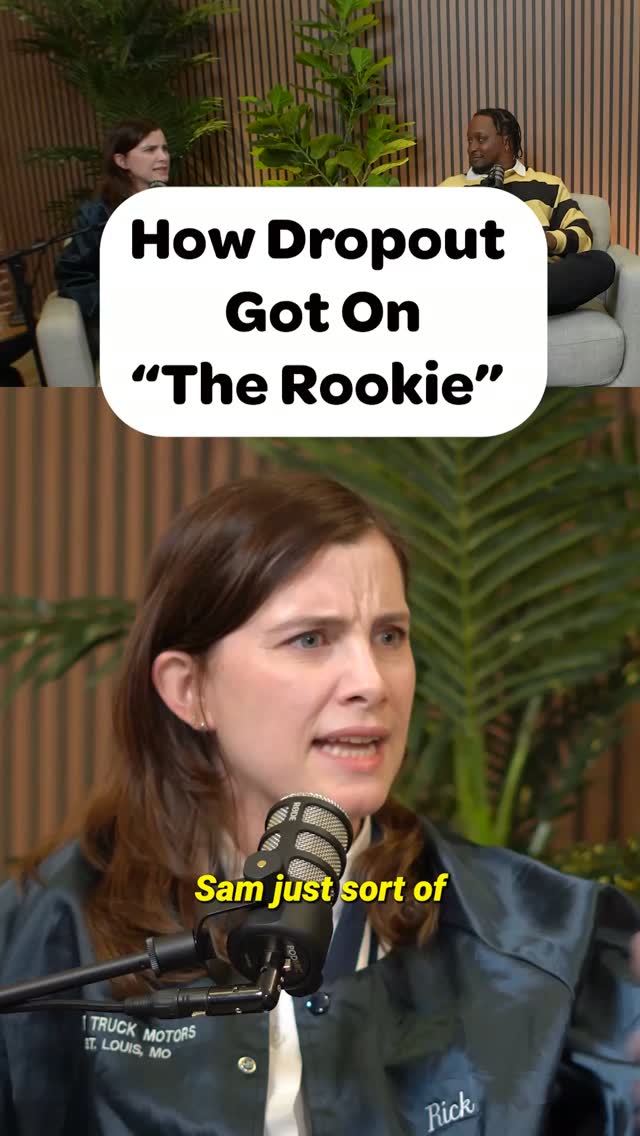
Mashable reported on how Dropout's flagship improv game show Game Changer secured a crossover placement on the ABC drama The Rookie — an unusual achievement for a show with no major network backing. The story is part of Mashable's ongoing coverage of how Dropout has built enough mainstream cultural traction to land deals well beyond what its subscription size might suggest.
Sam Reich is the CEO of Dropout, the streaming service he helped rebuild after CollegeHumor was dramatically downsized in 2020. Mashable has returned to him repeatedly because his candid approach to running an independent streamer — including greenlighting Crowd Control before a pilot ever aired — makes him one of the more transparent and unconventional executives working in digital media.
Mashable's positioning as a brand for superfans — explicitly "not for the casually curious" — signals that its content is built for audiences who want to go deep on tech, entertainment, and culture rather than skim headlines. It's a deliberate editorial identity that aligns it more with fan-culture media than with general-interest news publishers.
Following the 2017 acquisition, Mashable went through significant restructuring that included major editorial layoffs in 2018, substantially reducing its written-content operation. The brand responded by doubling down on video and social media, which is reflected in its current active presence across YouTube, Instagram, and TikTok.
Mashable's Swift coverage reflects a broader editorial pivot toward serving any intensely engaged fan community, not just tech audiences — the brand's own framing is that it's for people who "obsess," whatever the subject. Swift's ongoing impact on streaming platforms, digital ticketing infrastructure, and online fan culture also gives Mashable natural tech-adjacent angles that fit its original lane.
Yes, consumer tech including Apple remains a core pillar of Mashable's coverage across all its platforms. Tech was Mashable's founding reason for existing, and product launches, industry shifts, and consumer gadget news continue to sit alongside its entertainment and culture content.
Mashable publishes regularly across YouTube, Instagram, and TikTok, with YouTube carrying its largest audience by a significant margin. Its TikTok presence shows notably strong engagement relative to its follower count there, suggesting the short-form format is connecting well with younger viewers in its tech and culture niche.
Stats (followers, engagement, audience demographics, growth) are pulled live from the CreatorDB API covering YouTube, Instagram and TikTok. Bio and FAQ content is AI-assisted; news items are sourced from cited public press at generation time. Read the full methodology →
If you'd like to update, correct, or remove this profile, get in touch and we'll handle it within 5 business days. We don't publish private data — every stat shown comes from your public platform profiles.
@mashable · YouTube
+0 new followers
Preparing fresh data…
This usually takes 15–25 seconds.