United States
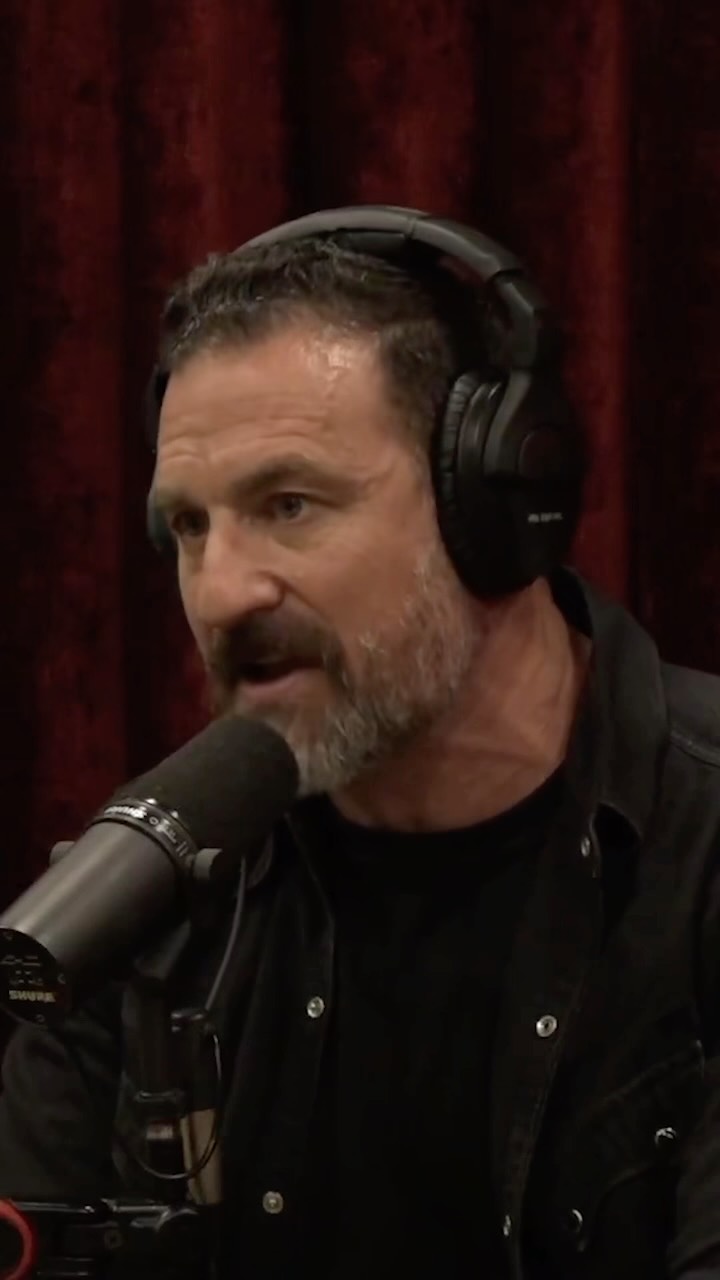
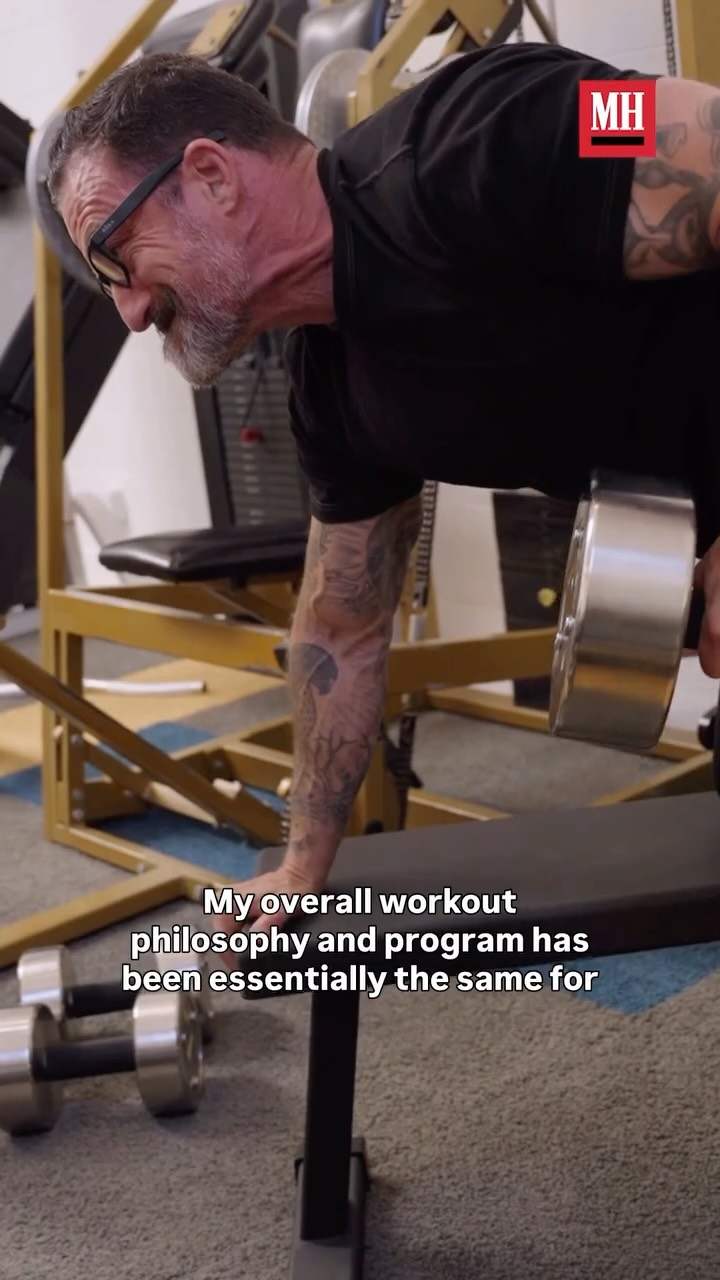
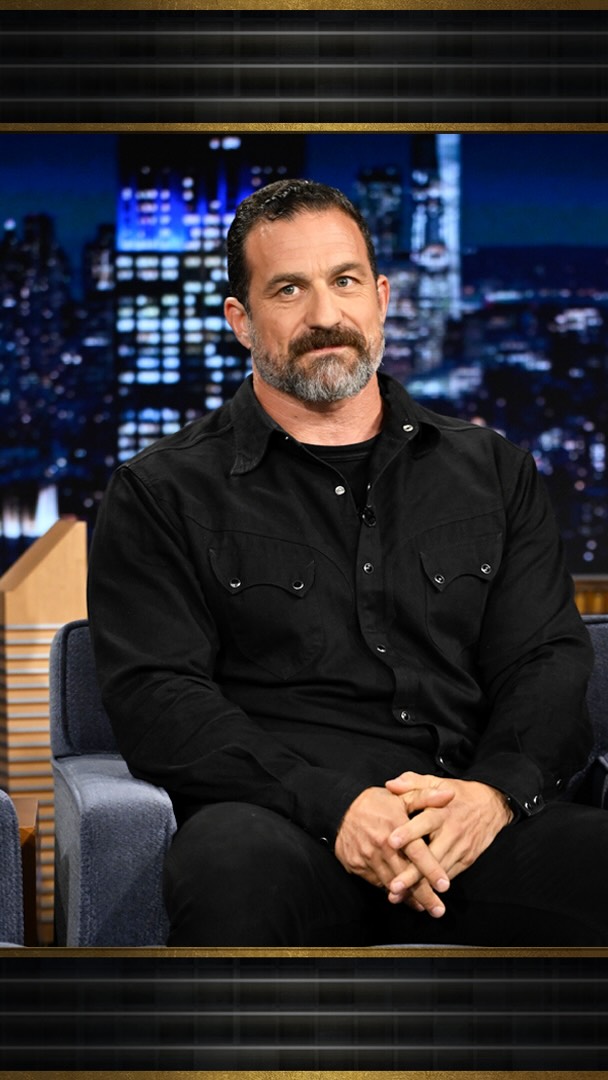
Andrew Huberman is a neuroscientist and tenured professor at Stanford School of Medicine, where his lab focuses on neural development, brain plasticity, and the visual system.
Total Followers +0.3%
16M
Across YouTube, Instagram, TikTok
Primary Platform
YouTube
7.6M followers · 47% of audience
Engagement
2.7%
vs. 1.5% category median
Sponsorship Tier
Mega
Est. $94K–$219K / IG post
Huberman confirmed the milestone on his official X account, celebrating the podcast's placement among the world's most-listened shows for the full year.
The award was presented at the iHeartPodcast Awards ceremony in March 2025, as reported by The Hollywood Reporter.
Simon Element (an imprint of Simon & Schuster) released Huberman's first book on April 22, 2025, with rights sold in 29 territories and a simultaneous audiobook narrated by Huberman himself.
| Window | YouTube | TikTok | Combined | |
|---|---|---|---|---|
| Last 7 days | +10K +0.1% | -783 -0.0% | +0 +0.0% | +9K |
| Last 30 days | +40K +0.5% | +2K +0.0% | +0 +0.0% | +42K |
| Last 90 days | +122K +1.6% | +6K +0.1% | +0 +0.0% | +128K |
| Last 365 days | +122K +1.6% | +6K +0.1% | +0 +0.0% | +128K |
Daily follower snapshots from CreatorDB's longitudinal index.
| Brand | Type | Platform | Date | Performance vs. baseline |
|---|---|---|---|---|
| AG1 Sponsorship | Sponsored content | YouTube | Jun 2026 | — |
| LMNT Ventures Sponsorship | Sponsored content | YouTube | Jun 2026 | — |
| Helix Sleep Sponsorship | Sponsored content | YouTube | Oct 2025 | — |
| David Sponsorship | Sponsored content | YouTube | Oct 2025 | — |
| BetterHelp Sponsorship | Sponsored content | YouTube | Oct 2025 | — |
| Momentous Supplements / Health | Long-term partnership | YouTube | 2021–Long-term | — |
| Eight Sleep Sleep / Recovery Tech | Channel sponsor | YouTube | 2021–Long-term | — |
| InsideTracker Health / Biomarkers | Channel sponsor | YouTube | 2021–2024 | — |
| Roka Eyewear / Performance | Channel sponsor | YouTube | 2021–Long-term | — |
| Waking Up Mental Wellness / Meditation | Channel sponsor | YouTube | 2022–2024 | — |
Andrew Huberman is a neuroscientist and tenured professor at Stanford School of Medicine, where his lab focuses on neural development, brain plasticity, and the visual system. He launched the Huberman Lab podcast in early 2021, quickly building a large cross-platform following around long-form, research-dense episodes covering sleep, stress hormones, nutrition, cold exposure, and behavioral protocols. His signature format — solo "master class" episodes often running two to four hours, heavy with citations and specific protocols — set him apart from lighter wellness creators and cultivated an audience that skews notably older, with nearly half aged 45 and above and a near-even gender split.
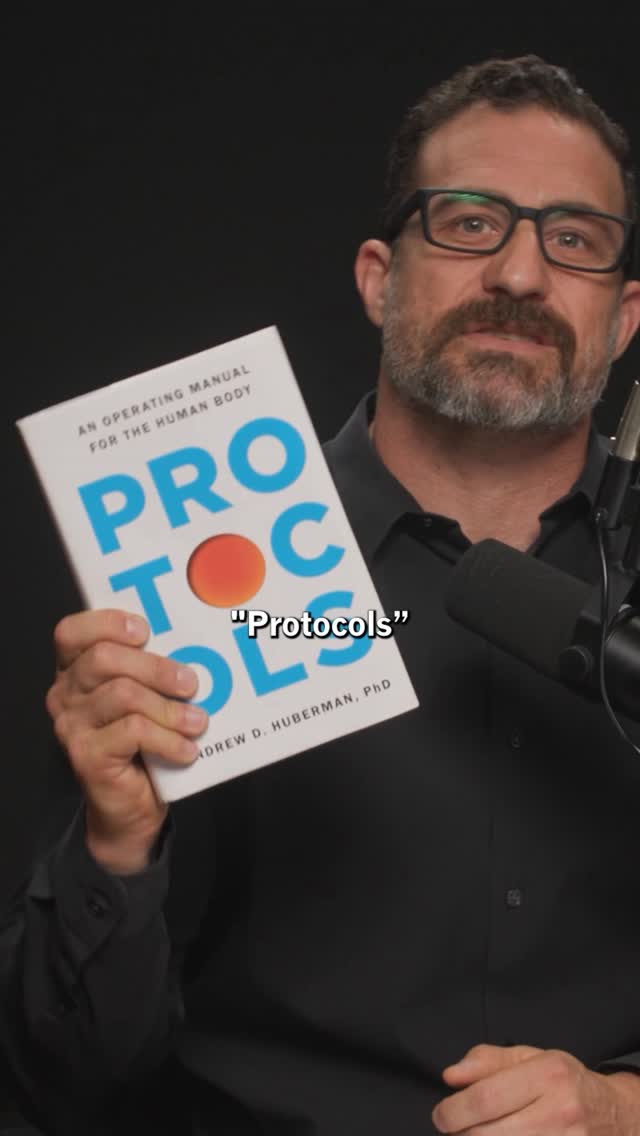
His sponsor roster — AG1, LMNT, Helix Sleep, BetterHelp, and David protein bars — maps precisely to the lifestyle optimization space his content occupies, reflecting sustained demand from premium wellness and functional health brands. The 2025 release of Protocols: An Operating Manual for the Human Body extended his reach into publishing and reinforced the actionable-science positioning that drives audience loyalty. Distributed across YouTube and Instagram with millions of followers on each, Huberman sits at the intersection of academic credibility and mainstream health culture — a durable positioning that makes him a consistently attractive partner for performance and longevity-focused brands.
Andrew-Huberman reaches an audience concentrated in United States primarily through YouTube, and is best activated via long-form YouTube integrations, Instagram Reels and Stories, TikTok branded content. Their sponsorship history skews toward Supplements / Health, Sleep / Recovery Tech, Health / Biomarkers, a clear signal of fit for brands in those categories. Demonstrated partners include AG1 and LMNT Ventures. Engagement on YouTube runs around 2.7%, pointing to an audience suited to category-relevant, mid-funnel brand campaigns rather than pure-reach buys.
Benchmark estimates for a creator at Andrew-Huberman's tier (Mega, 16M combined followers, United States). Pulled from CreatorDB's category benchmarks.
The CreatorDB Agency runs end-to-end influencer campaigns globally — shortlisting, outreach, contracting, and performance reporting. Talk to our team about building a campaign around creators in this niche.
Huberman recommends stepping outside to view natural sunlight — without sunglasses — within 30 to 60 minutes of waking, in order to trigger a healthy morning cortisol pulse and anchor your circadian rhythm. The practice is grounded in research on the eye's intrinsically photosensitive retinal ganglion cells, which signal the brain's suprachiasmatic nucleus to set the body's internal clock. He considers it one of the highest-impact, zero-cost health behaviors he covers on the Huberman Lab podcast.
Non-Sleep Deep Rest (NSDR) is a term Huberman popularized to describe deliberate relaxation practices — including yoga nidra and hypnosis-based audio sessions — that shift the nervous system into a deep parasympathetic state without full sleep. He argues that 10–20 minute NSDR sessions can replenish dopamine, support motor-skill consolidation, and help people who struggle to nap actually get restorative rest. He coined the term partly to give the practice a more scientifically accessible framing than traditional wellness language tends to offer.
In April 2024, New York Magazine published a lengthy profile that included accounts from multiple women alleging Huberman had maintained concurrent romantic relationships without their full knowledge. The article circulated widely and sparked debate about separating a creator's personal conduct from their scientific credibility. Huberman responded publicly to the coverage, and the episode became one of the most-discussed controversies in the health and wellness podcast space that year.
Yes — Andrew Huberman holds a tenured faculty position in the Department of Neurobiology, with a specialty in ophthalmology, and a courtesy appointment in Psychiatry and Behavioral Sciences at Stanford School of Medicine. His Stanford affiliation is central to the Huberman Lab podcast's positioning as a science-first show, and running the podcast does not conflict with his academic tenure status. Both his Instagram and YouTube bios still list the Stanford appointment as of 2026.
Huberman has publicly detailed a sleep stack that includes magnesium threonate, apigenin, and L-theanine, and has separately discussed creatine, omega-3 fatty acids, and vitamin D in the context of cognitive and physical performance. He consistently reminds listeners that foundational behaviors — sleep, exercise, sunlight, social connection — matter more than any supplement and that they should consult a physician before adopting a stack. His supplement discussions are among the most-clipped and most-searched segments of the entire Huberman Lab catalog.
LMNT is one of Huberman's most consistent sponsors, featured regularly in Huberman Lab episodes on YouTube. He frames the partnership around his ongoing discussions of sodium, potassium, and magnesium balance — electrolytes he frequently references when covering hydration, cognitive function, and physical performance research. The sponsorship fits tightly because electrolyte physiology is a recurring topic in his content rather than an awkward product insert.
Huberman cites research showing that deliberate cold water immersion — cold enough to feel genuinely uncomfortable but safe — can produce a sustained, multi-hour increase in dopamine and norepinephrine well after the session ends. He contrasts this with the brief dopamine spikes from food or social-media scrolling, arguing that cold exposure builds stress tolerance and stabilizes baseline mood over time. His cold exposure protocol episodes are among the most shared clips from the Huberman Lab on both YouTube and Instagram.
The Huberman Lab has featured researchers and performers including Dr. Peter Attia, Dr. Rhonda Patrick, Dr. Andy Galpin, Dr. Robert Sapolsky, and David Goggins, among many others. The show regularly hosts scientists with active peer-reviewed publication records, which sets it apart from most health and wellness podcasts. Notably, many of Huberman's solo episodes — where he presents the science himself without a guest — consistently rival the guest episodes in views and engagement.
Most Huberman Lab episodes run between two and three hours, a deliberately long format that Huberman has explained is designed to take a listener from zero context to actionable understanding on a single topic within one sitting. This approach has become a signature of the show and resonates especially with his core audience, which skews heavily toward adults over 35 who prefer deep dives over quick takes. Shorter clips highlighting key protocols are distributed on YouTube Shorts and Instagram to reach viewers who want the highlights without the full runtime.
Huberman has built a combined audience of over 16 million followers across YouTube, Instagram, and TikTok, placing him in the Mega creator tier and making him one of the most-followed science communicators anywhere online. YouTube hosts the full-length podcast episodes and serves as his primary platform, while Instagram handles shorter clips and announcements. His audience skews notably older than most creators at his scale — nearly half of his followers are estimated to be 45 and above, reflecting the serious health and longevity focus of his content.
Stats (followers, engagement, audience demographics, growth) are pulled live from the CreatorDB API covering YouTube, Instagram and TikTok. Bio and FAQ content is AI-assisted; news items are sourced from cited public press at generation time. Read the full methodology →
If you'd like to update, correct, or remove this profile, get in touch and we'll handle it within 5 business days. We don't publish private data — every stat shown comes from your public platform profiles.
@hubermanlab · YouTube
+0 new followers
Preparing fresh data…
This usually takes 15–25 seconds.