Australia
Dr. Dale Bredesen is a neurologist and neuroscience researcher whose career has been defined by a single ambitious goal: understanding and reversing the cognitive decline associated with Alzheimer's disease.
Total Followers +1.1%
65K
Across Instagram
Primary Platform
65K followers · 100% of audience
Engagement
3.7%
vs. 1.5% category median
Sponsorship Tier
Micro
Est. $1.3K–$3.3K / IG post
A 9-month randomized controlled trial of 73 patients compared the Bredesen precision-medicine protocol to standard of care; the preprint—posted on Preprints.org—is the first RCT of this approach and reported statistically significant cognitive improvements in the intervention arm.
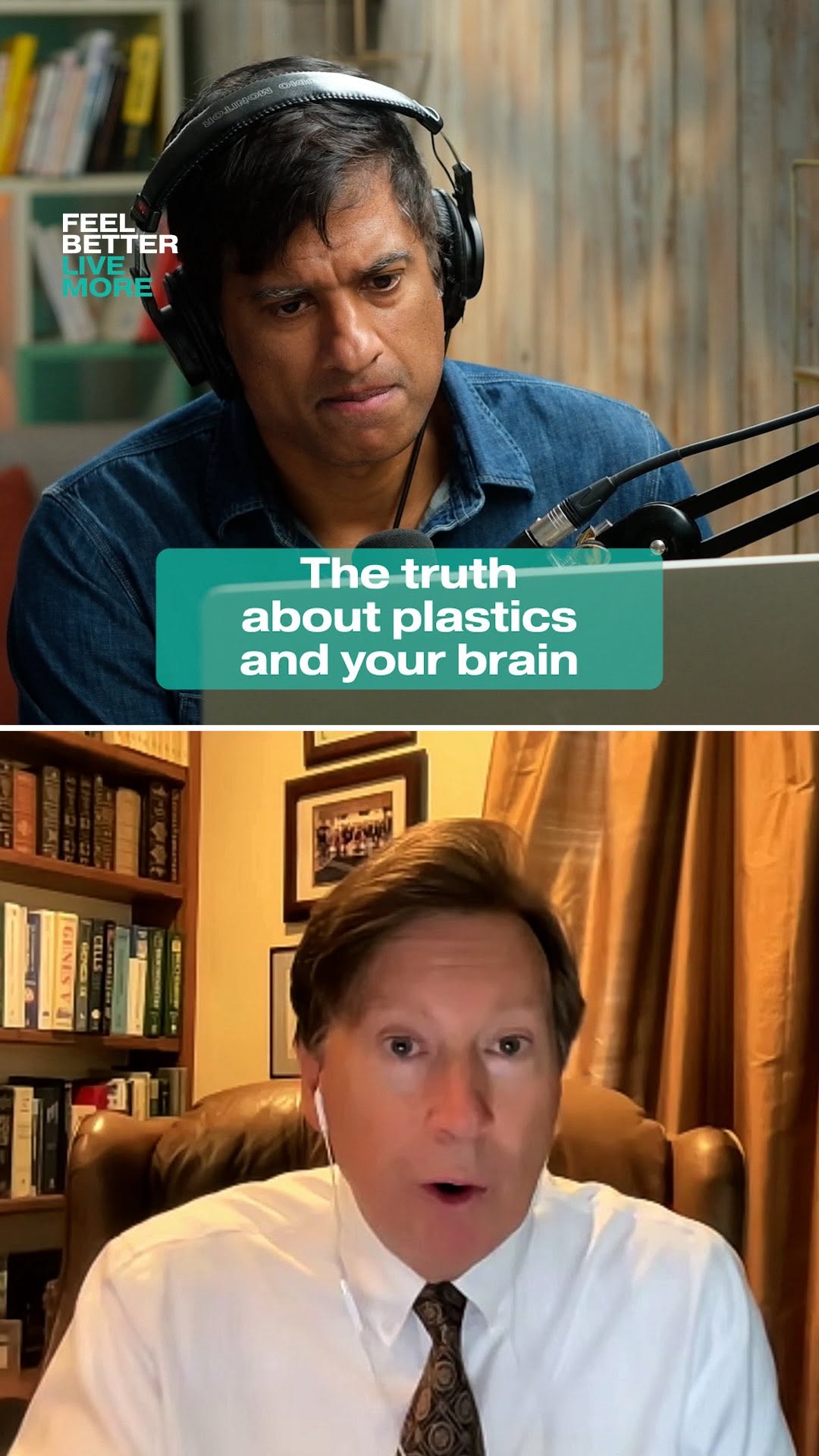
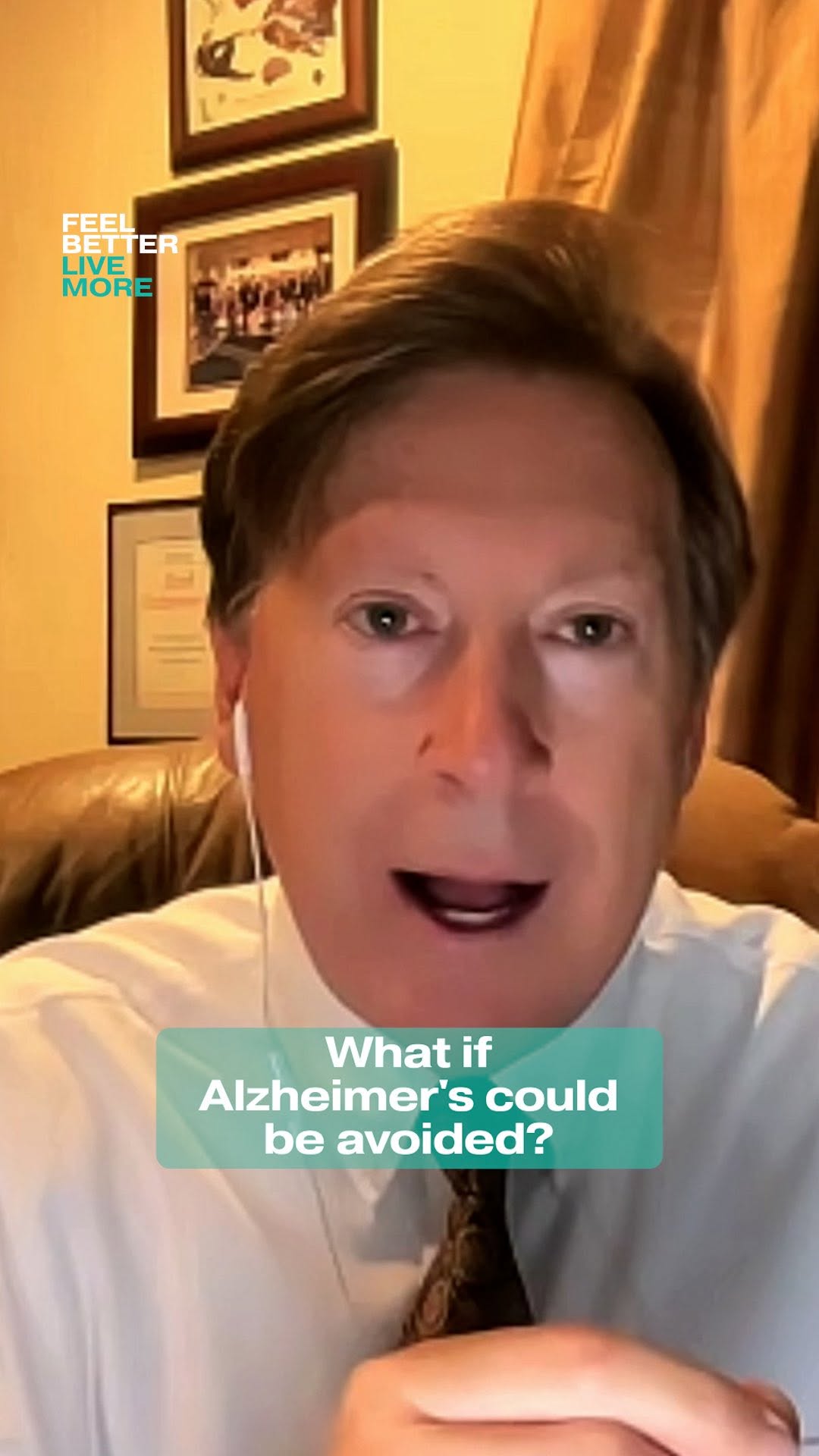
Bredesen appeared on TPR's 'The Source' to discuss his latest book, which presents a science-backed guide to maintaining lifelong brain health and expands on his ReCODE protocol work.
| Platform | Followers | 30d Growth | Engagement | Posts / wk | Last upload |
|---|---|---|---|---|---|
| 65,242 | +724 | 3.7% | 4.7 | 2 days ago |
| Window | Combined | |||
|---|---|---|---|---|
| Last 7 days | +124 +0.2% | +0 +0.0% | +0 +0.0% | +124 |
| Last 30 days | +724 +1.1% | +0 +0.0% | +0 +0.0% | +724 |
| Last 90 days | +3K +4.8% | +0 +0.0% | +0 +0.0% | +3K |
| Last 365 days | +3K +4.8% | +0 +0.0% | +0 +0.0% | +3K |
Daily follower snapshots from CreatorDB's longitudinal index.
Dr. Dale Bredesen is a neurologist and neuroscience researcher whose career has been defined by a single ambitious goal: understanding and reversing the cognitive decline associated with Alzheimer's disease. Trained in the United States and long affiliated with institutions including the Buck Institute for Research on Aging and UCLA, he developed the ReCODE (Reversal of Cognitive Decline) protocol, a comprehensive, multi-factorial approach to brain health that challenged the prevailing view of Alzheimer's as an irreversible condition. His 2017 book 'The End of Alzheimer's' brought his research framework to a mainstream audience and established him as a recognizable voice in the functional and preventive medicine space. His content, now produced with an Australian base, extends that same framework into accessible social media formats.
Drdalebredesen reaches an audience concentrated in Australia primarily through YouTube, and is best activated via Instagram Reels and Stories. Their sponsorship history skews toward Health / MedTech, a clear signal of fit for brands in those categories. Demonstrated partners include Apollo Health. Engagement on YouTube runs around 3.7%, which points to an audience better suited to category-relevant, mid-funnel campaigns than to pure-reach buys. Their YouTube-first format lends itself to integrations that sit inside the creator's usual content rather than running as standalone ads. Because the audience follows education content rather than arriving through untargeted reach, sponsorships that match the channel's subject matter tend to convert more efficiently than broad placements. A consistent, on-topic posting focus gives sponsors a predictable, brand-safe environment, lowering placement risk compared with broad, general-interest channels. Campaigns here are best measured on qualified engagement and consideration within the niche rather than on raw impression volume. For Australia-focused brands in Health / MedTech and related categories, Drdalebredesen offers a defined, creative-fit audience rather than broad, low-intent impressions.
Benchmark estimates for a creator at Drdalebredesen's tier (Micro, 65K combined followers, Australia). Pulled from CreatorDB's category benchmarks.
The CreatorDB Agency runs end-to-end influencer campaigns globally — shortlisting, outreach, contracting, and performance reporting. Talk to our team about building a campaign around creators in this niche.
ReCODE stands for Reversal of Cognitive Decline, and it is the signature methodology Dr. Bredesen developed after decades of neuroscience research. Rather than targeting a single cause of Alzheimer's, it personalises interventions across metabolic, inflammatory, vascular, and toxic factors identified through lab testing. It is the foundation of everything Dr. Bredesen teaches across his books, clinical work, and social media content.
Dr. Bredesen has published case reports and small studies documenting patients who recovered meaningful cognitive function after following his ReCODE protocol, claims he details extensively in his books and online content. Mainstream neurologists have pushed back, noting that large randomised controlled trials are still needed to confirm the findings at scale. The tension between his documented cases and conventional evidence standards is one of the most debated aspects of his work.
The End of Alzheimer's, published in 2017, argues that Alzheimer's disease is not caused by a single mechanism but is instead a metabolic syndrome of the brain driven by dozens of overlapping factors. Dr. Bredesen outlines how identifying and addressing those individual drivers — rather than chasing one drug target — can halt and in some cases reverse cognitive decline. The book brought his research to a wide public audience and remains the primary entry point into his ideas for most readers.
Dr. Bredesen's central argument is that the amyloid plaques associated with Alzheimer's are not the root cause but rather a protective response the brain mounts against multiple threats — including chronic inflammation, insulin resistance, hormonal imbalances, and toxin exposure. He has described Alzheimer's as a condition with at least several distinct subtypes, each requiring a different therapeutic approach. This multi-driver model sets his framework apart from the dominant single-target drug research approach.
KetoFLEX 12/3 is the dietary approach Dr. Bredesen developed as part of his broader ReCODE protocol, combining a mildly ketogenic, heavily plant-rich eating pattern with a minimum 12-hour overnight fast and no food in the 3 hours before bed. The goal is to promote metabolic flexibility and reduce insulin resistance, both of which he connects directly to brain health and dementia risk. He positions it not as a standalone diet trend but as one component of a personalised, clinician-guided plan.
Dr. Bredesen co-founded Apollo Health as the commercial platform through which his ReCODE protocol is delivered to patients at scale, connecting individuals with practitioners trained in his methodology. Users receive personalised guidance based on detailed lab work and health history rather than a one-size-fits-all plan. It represents the direct translation of his published research into an accessible clinical service.
Dr. Bredesen spent decades at major research institutions including UCLA, the Gladstone Institute of Neurological Disease at UCSF, and the Buck Institute for Research on Aging in Novato, California, where he led neurodegeneration research for many years. That lengthy career in academic neuroscience is what he points to when making the case for the scientific grounding behind the ReCODE protocol. His work with Nobel laureate Stanley Prusiner early in his career also shaped his thinking on neurological disease mechanisms.
The mainstream medical community has largely been cautious, with prominent Alzheimer's researchers noting that his most cited results come from small case series rather than the large randomised controlled trials that set the standard for clinical acceptance. Supporters argue that the urgency of the Alzheimer's epidemic justifies applying his protocol while larger trials are conducted, and that the lifestyle components carry minimal risk regardless. The debate around his work is ongoing and is itself a recurring topic in his content.
Beyond The End of Alzheimer's, Dr. Bredesen has written The End of Alzheimer's Program, which focuses on practical implementation of his protocol, and The First Survivors of Alzheimer's, which features first-person accounts from patients who followed his approach. Together the books form a layered resource moving from the science to the application to the lived patient experience. His social media content often bridges all three, making it a companion to the written series.
Dr. Bredesen is most active on YouTube and Instagram, using both to share research explainers, protocol breakdowns, and updates on brain health science. His Instagram engagement runs well above the typical rate for health and science creators, which reflects a highly invested audience tracking his work closely. He posts consistently across both platforms and can be found under the handle @drdalebredesen.
Stats (followers, engagement, audience demographics, growth) are pulled live from the CreatorDB API covering YouTube, Instagram and TikTok. Bio and FAQ content is AI-assisted; news items are sourced from cited public press at generation time. Read the full methodology →
If you'd like to update, correct, or remove this profile, get in touch and we'll handle it within 5 business days. We don't publish private data — every stat shown comes from your public platform profiles.
@drdalebredesen · Instagram
+0 new followers
Preparing fresh data…
This usually takes 15–25 seconds.