United States
The Child Mind Institute is a New York City-based nonprofit founded in 2009 by prominent child psychiatrist Harold S.
Total Followers +0.2%
463K
Across YouTube, Instagram, TikTok
Primary Platform
YouTube
61K followers · 13% of audience
Engagement
0.6%
vs. 1.5% category median
Sponsorship Tier
Mid
Est. $5.2K–$12K / IG post
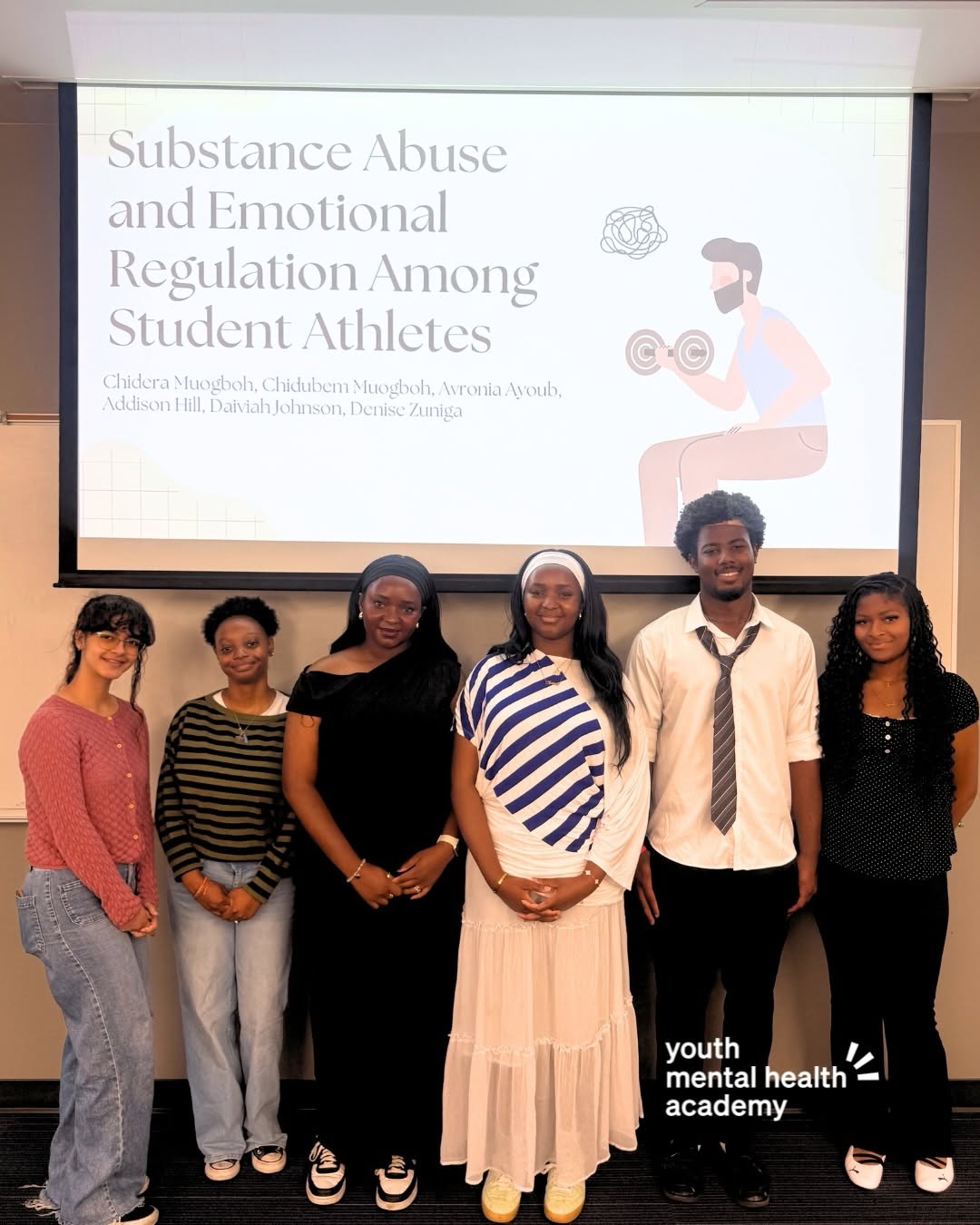
The 2026 YMHA cohort culminated in a July 23 celebration across five California sites. Since launching in 2023, the program has trained more than 2,700 high school students from underrepresented communities.
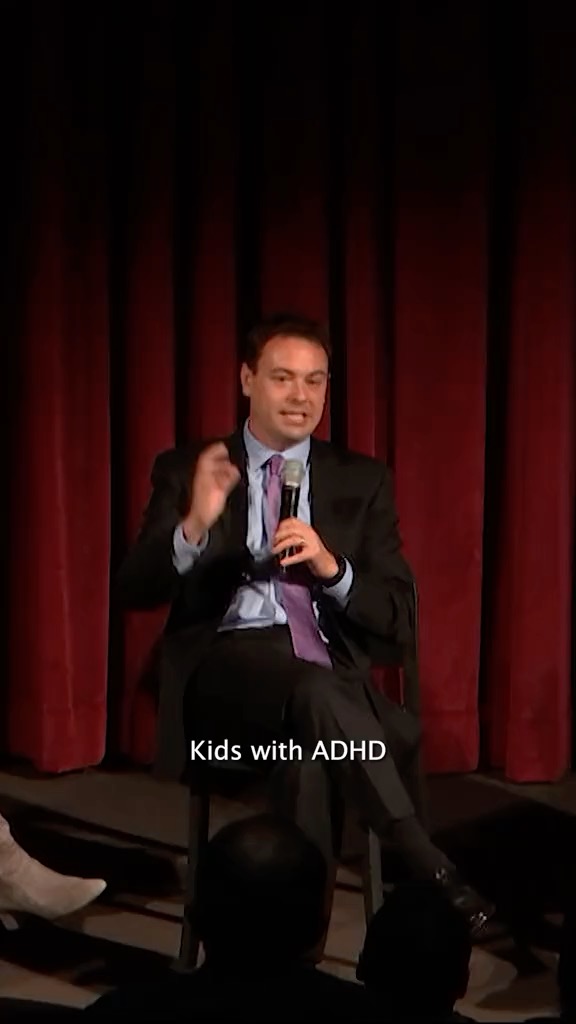
NYT bestselling author and psychologist Lisa Damour, PhD joined CMI's Dr. Dave Anderson for a discussion moderated by actress Ali Wentworth, held to mark Mental Health Awareness Month.
The new center, led by Theresa Welles, PhD, expands OCD clinical care, trains specialists, and funds research — established in memory of Dr. Bubrick, who passed away in 2024.
The award supports expanding culturally responsive STEM, mentoring, and mental health programming for youth across Los Angeles County.
Throughout December, shoppers could donate at checkout or buy limited-edition Burberry holiday bears, with proceeds benefiting the Child Mind Institute.
| Window | YouTube | TikTok | Combined | |
|---|---|---|---|---|
| Last 7 days | +200 +0.3% | +0 +0.0% | +0 +0.0% | +200 |
| Last 30 days | +708 +1.2% | +345 +0.1% | +0 +0.0% | +1K |
| Last 90 days | +2K +3.2% | +2K +0.7% | +99 +0.2% | +4K |
| Last 365 days | +2K +3.2% | +2K +0.7% | +99 +0.2% | +4K |
Daily follower snapshots from CreatorDB's longitudinal index.
The Child Mind Institute is a New York City-based nonprofit founded in 2009 by prominent child psychiatrist Harold S. Koplewicz, with a clinical and research mission centered on mental health and learning disorders in children and adolescents. Across its social platforms, the organization functions less like a traditional advocacy account and more like a public-health media outlet — publishing expert interviews, clinician-led explainers, and podcast content from its flagship series Thriving Kids. Collaborations with high-profile figures such as NBA player Karl-Anthony Towns, who has spoken publicly about personal loss and mental health, illustrate the Institute's strategy of using athlete and media partnerships to destigmatize youth mental health conversations with broader audiences.
The content mix — covering topics from dyslexia and anxiety to school phone policies and suicide prevention — positions the Institute as a credible reference point for parents, educators, and healthcare-adjacent professionals rather than a general-lifestyle wellness brand. Its audience skews toward working-age adults in the 25–44 range, a demographic actively navigating parenting or professional caregiving decisions, and it draws overwhelmingly from English-speaking markets in the US, UK, and Canada. Engagement sits below category median on most platforms, which is typical for mission-driven nonprofits whose content is consumed and shared for informational value rather than entertainment. As mental health literacy continues to grow as a mainstream concern, the Institute's brand positioning — authoritative, clinician-backed, and media-literate — gives it durable relevance for sponsors in health, education, and family-service categories.
Childmindinstitute reaches an audience concentrated in United States primarily through YouTube, and is best activated via long-form YouTube integrations, Instagram Reels and Stories, TikTok branded content. As an education creator they map naturally to brands targeting that space. With no brand deals logged yet, they read as an available, category-aligned partner for advertisers building early presence in the space. Engagement on YouTube runs around 0.6%, which points to an audience better suited to category-relevant, mid-funnel campaigns than to pure-reach buys. The channel's mix of long-form YouTube integrations and Instagram Reels and Stories lets a sponsor choose between short awareness placements and longer, more detailed integrations. Because the audience follows education content rather than arriving through untargeted reach, sponsorships that match the channel's subject matter tend to convert more efficiently than broad placements. A consistent, on-topic posting focus gives sponsors a predictable, brand-safe environment, lowering placement risk compared with broad, general-interest channels. Campaigns here are best measured on qualified engagement and consideration within the niche rather than on raw impression volume. For United States-focused brands in education and related categories, Childmindinstitute offers a defined, creative-fit audience rather than broad, low-intent impressions.
Benchmark estimates for a creator at Childmindinstitute's tier (Mid, 463K combined followers, United States). Pulled from CreatorDB's category benchmarks.
The CreatorDB Agency runs end-to-end influencer campaigns globally — shortlisting, outreach, contracting, and performance reporting. Talk to our team about building a campaign around creators in this niche.
The Child Mind Institute is an independent nonprofit based in the United States focused on transforming the lives of children and families dealing with mental health and learning disorders. They combine clinical care, scientific research, and wide-ranging public education aimed at parents, educators, and caregivers. Their work spans direct services, media partnerships, youth programs, and digital content across multiple platforms.
Yes, NBA star Karl-Anthony Towns has been featured in Child Mind Institute content as part of their mental health awareness efforts. Towns, who has spoken publicly about grief and emotional wellbeing, is among the athlete voices the organization has highlighted to help destigmatize mental health conversations. This fits Child Mind Institute's broader strategy of using high-profile sports figures to reach audiences beyond traditional health content circles.
The Thriving Kids Podcast is the Child Mind Institute's official podcast, featuring conversations between CMI clinical experts and media personalities on children's mental health topics. Episodes regularly include Dr. Dave Anderson alongside journalists and thought leaders like NBC News Daily anchor Kate Snow. It's designed to give parents and caregivers practical, expert-backed guidance in an accessible format.
Dr. Dave Anderson is a clinical psychologist and one of the most visible expert voices at the Child Mind Institute, regularly appearing in their media and educational content. He contributes to the Thriving Kids Podcast and has appeared with NBC News Daily anchor Kate Snow to break down mental health topics for family audiences. He represents the Institute's commitment to translating clinical research into practical advice for parents and educators.
Yes, learning disorders including dyslexia are a core part of the Child Mind Institute's focus alongside mental health conditions. The Institute produces guides, educational content, and resources specifically for families and educators navigating a dyslexia diagnosis. Their mission explicitly covers learning challenges as well as mental health, treating them as interconnected aspects of a child's overall wellbeing.
The Child Mind Institute has engaged with the growing "no phones, bell to bell" movement, examining how removing smartphones from classrooms affects children's mental health and learning. Their content explores both the potential benefits — like reduced anxiety and improved focus — and the practical questions families and schools face when implementing phone-free policies. This reflects their broader interest in how environment and technology shape child development.
YMHA is a structured youth program at the Child Mind Institute that guides young participants through a curriculum culminating in capstone projects. Based on the Institute's own content, it's designed to engage young people directly in mental health education and personal advocacy work. The capstone project component suggests participants develop and present original work as the program's central milestone.
The Child Mind Institute has produced content connected to Team USA and the Paralympics, using elite athletes to put a spotlight on mental health resilience and awareness. This sits alongside their NBA athlete partnerships as part of a deliberate strategy to reach people through sports culture, where mental health conversations have gained significant momentum in recent years. Athlete collaborations help the Institute connect with audiences who might not seek out traditional mental health content.
Kate Snow, anchor of NBC News Daily, has collaborated with the Child Mind Institute as a media partner, appearing with Dr. Dave Anderson to discuss children's mental health topics for family audiences. The partnership reflects the Institute's approach of working with trusted mainstream journalists to bring evidence-based mental health guidance into broader public conversations. Snow's involvement helps amplify CMI's educational mission well beyond the nonprofit's own channels.
Yes, suicide prevention is one of the serious areas the Child Mind Institute addresses through its public education and awareness campaigns. The organization produces clinically grounded resources for parents, educators, and young people on recognizing warning signs and navigating next steps. Their content is specifically crafted to be accessible to families who may not know where to turn when facing a mental health crisis involving a child.
Stats (followers, engagement, audience demographics, growth) are pulled live from the CreatorDB API covering YouTube, Instagram and TikTok. Bio and FAQ content is AI-assisted; news items are sourced from cited public press at generation time. Read the full methodology →
If you'd like to update, correct, or remove this profile, get in touch and we'll handle it within 5 business days. We don't publish private data — every stat shown comes from your public platform profiles.
@childmindinstitute · YouTube
+0 new followers
Preparing fresh data…
This usually takes 15–25 seconds.