United Kingdom
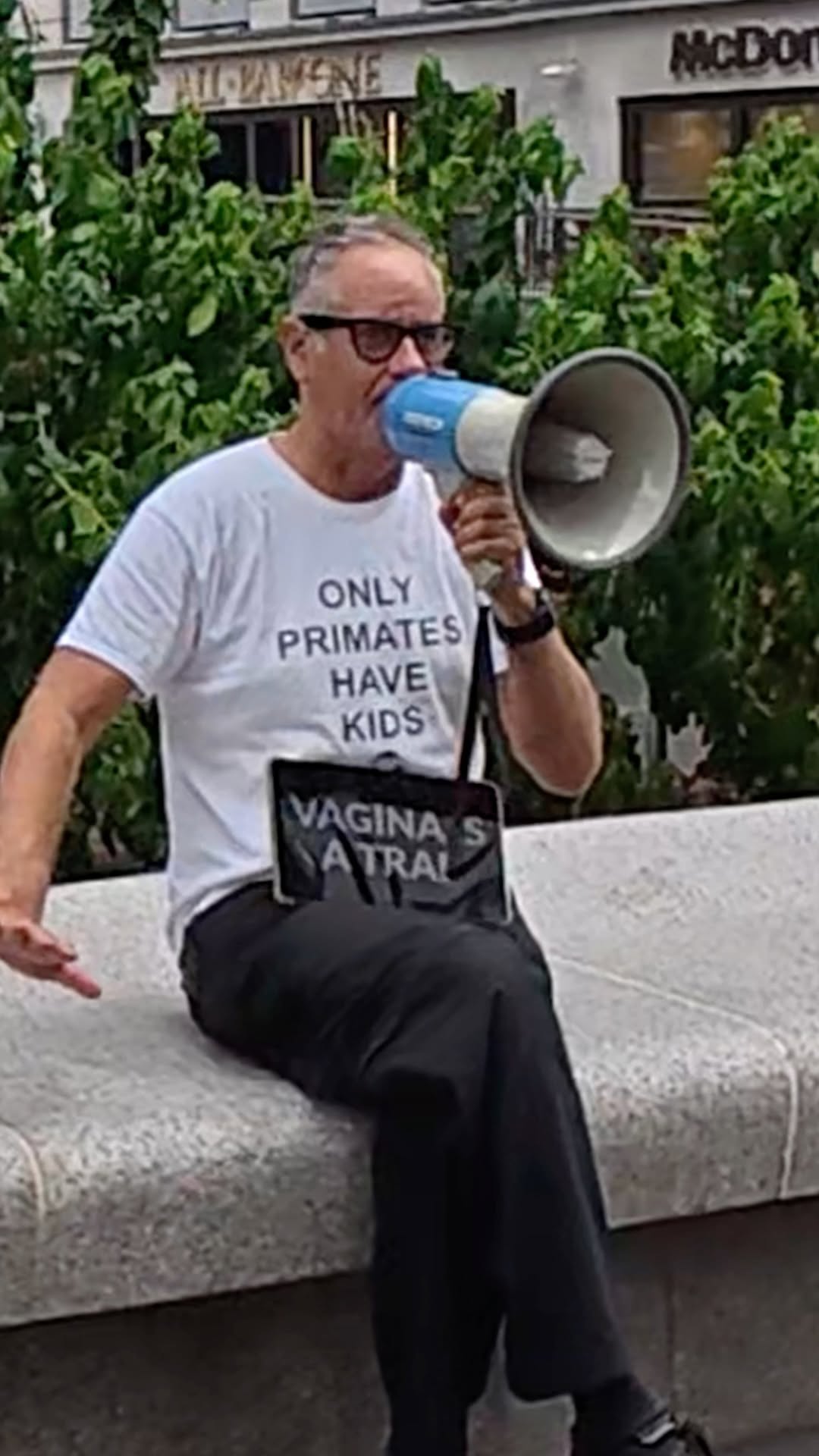
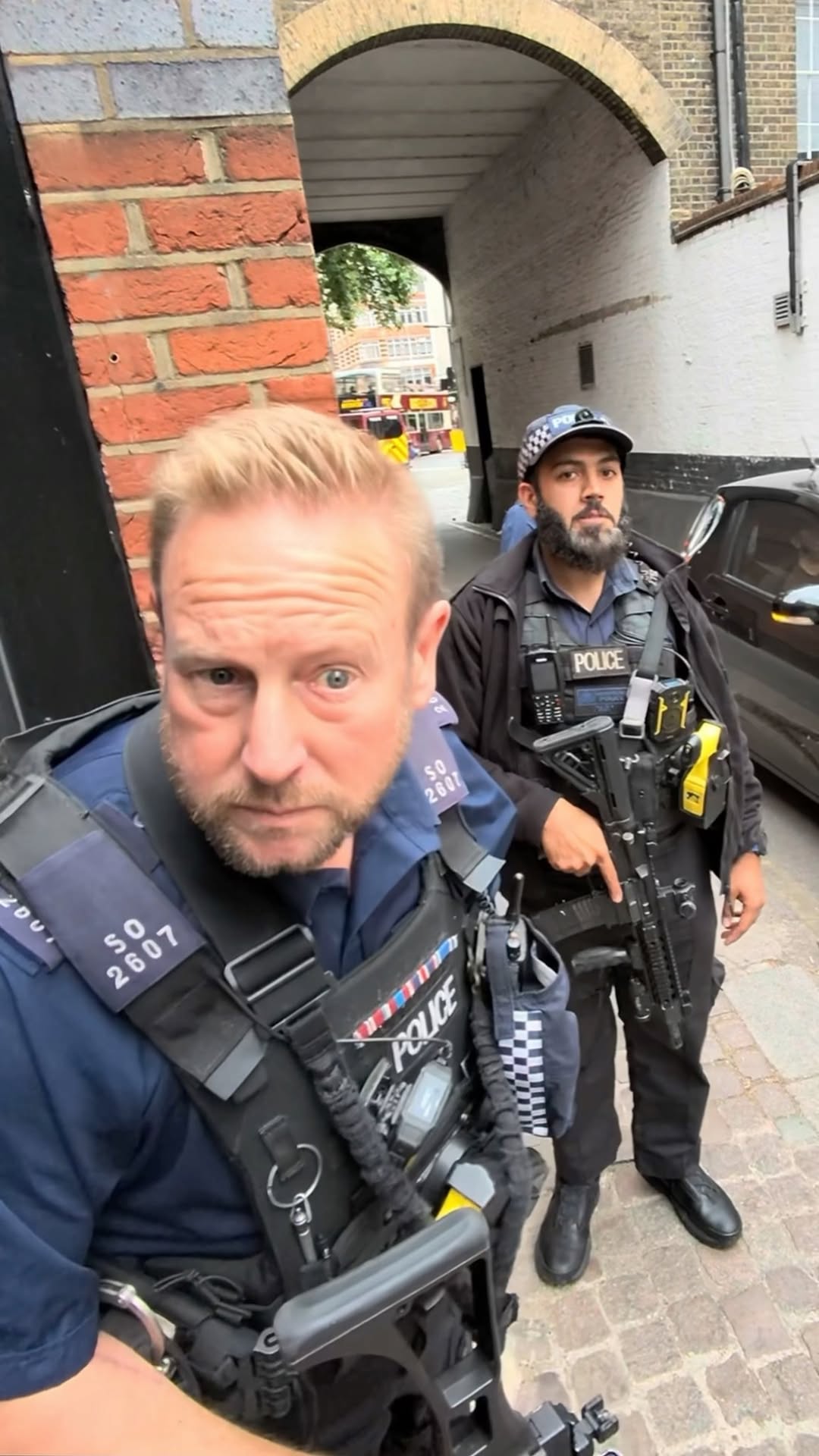
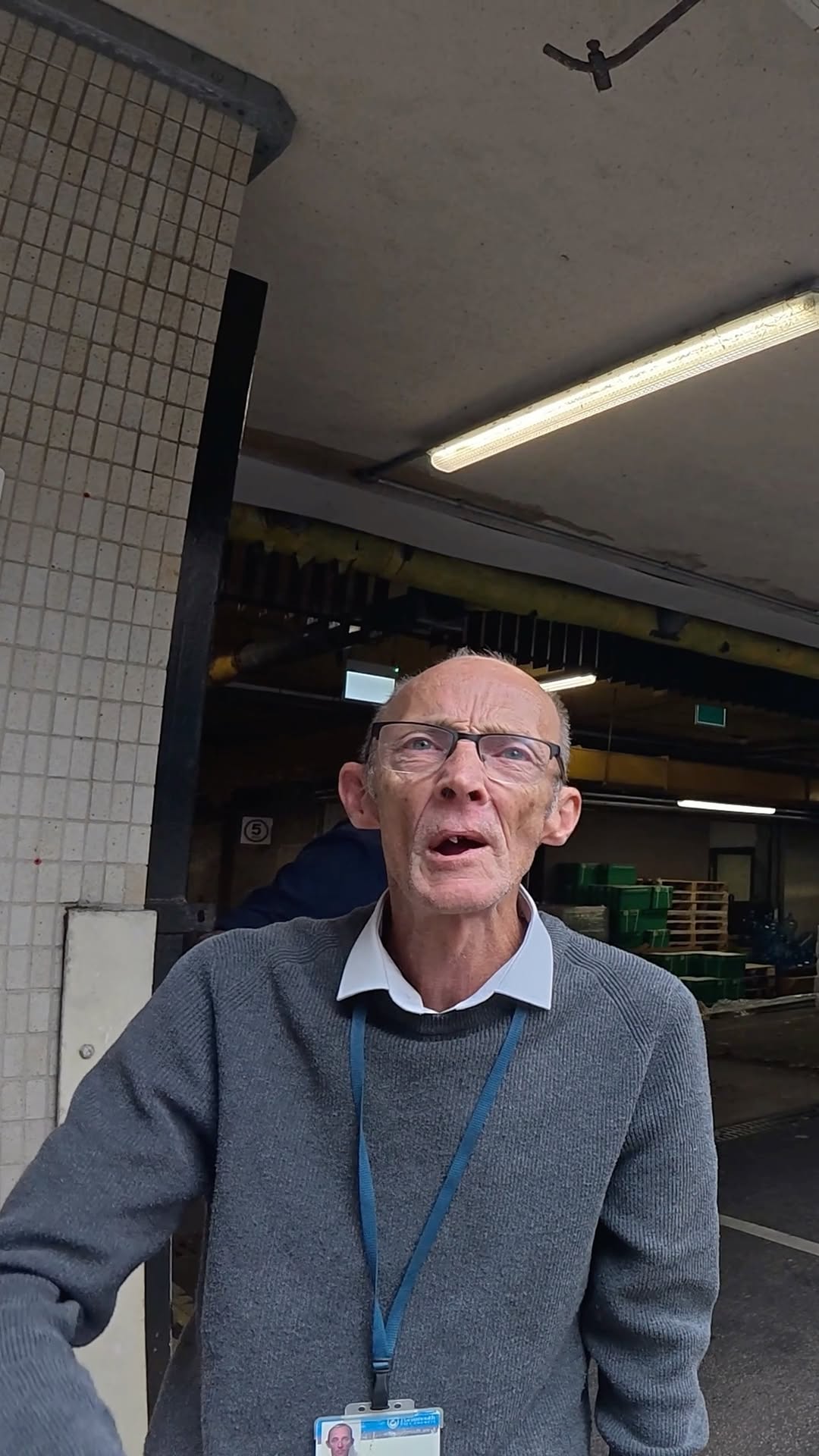
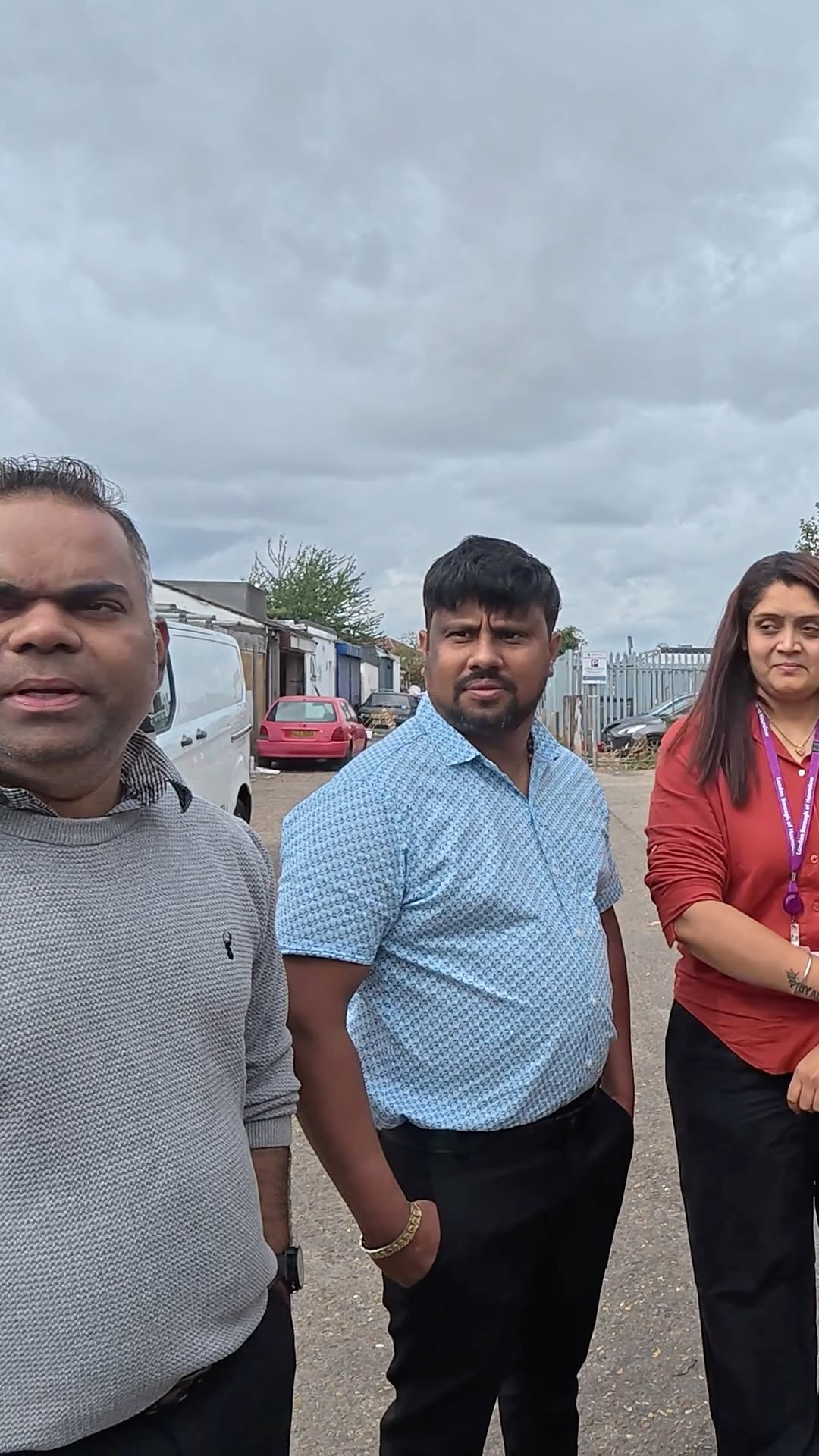
Auditing Britain is a UK-based YouTuber operating in the 'public audit' genre — a style of activist filmmaking where creators test their legal right to film…
Total Followers +0.8%
395K
Across YouTube
Primary Platform
YouTube
395K followers · 100% of audience
Engagement
5.9%
vs. 1.5% category median
Sponsorship Tier
Mid
Est. — / IG post
| Platform | Followers | 30d Growth | Engagement | Posts / wk | Last upload |
|---|---|---|---|---|---|
| YouTube | 395,000 | +3K | 5.9% | 5.4 | 1 day ago |
| Window | YouTube | Combined | ||
|---|---|---|---|---|
| Last 7 days | +2K +0.5% | +0 +0.0% | +0 +0.0% | +2K |
| Last 30 days | +3K +0.8% | +0 +0.0% | +0 +0.0% | +3K |
| Last 90 days | +7K +1.8% | +0 +0.0% | +0 +0.0% | +7K |
| Last 365 days | +7K +1.8% | +0 +0.0% | +0 +0.0% | +7K |
Daily follower snapshots from CreatorDB's longitudinal index.
Auditing Britain is a UK-based YouTuber operating in the 'public audit' genre — a style of activist filmmaking where creators test their legal right to film in publicly accessible spaces, challenge private security contractors, and document encounters with police and public officials. The channel's content spans locations across England, from Northampton and Banbury to Whitechapel and Birmingham, with recurring targets including G4S-contracted security personnel, job centres, and retail environments like Morrisons. The creator, who goes by 'AB', frames the work as civic education — asserting and demonstrating the right to film matters of public interest — while delivering it with a direct, confrontational street-journalism style. Uploads are frequent and reactive, often dropping within hours of an incident, which sustains an engagement rate well above the category median.
Despite being rooted in distinctly British locations and legal contexts, the channel's audience skews heavily toward American viewers, a pattern common across the UK auditing genre, where the contrast between British policing norms and the expectations of a globally English-speaking audience generates strong cross-Atlantic interest. The core viewership is predominantly male and weighted toward the 35-and-older demographic, suggesting an audience with a particular investment in civil liberties, police accountability, and legal rights content. Notably absent from the data is any conventional brand sponsorship — consistent with the auditing niche's tendency to rely on direct audience support, such as the channel membership and PayPal links prominently featured in the bio, rather than corporate integrations that could compromise perceived independence. As facial recognition policing and private security contracts become more prominent public policy issues in the UK, channels like Auditing Britain are positioned to grow as a reference point for accountability-focused media.
Auditing-Britain reaches an audience concentrated in United Kingdom primarily through YouTube, and is best activated via long-form YouTube integrations. As a news creator they map naturally to brands targeting that space. Engagement on YouTube runs around 5.9%, pointing to an audience suited to category-relevant, mid-funnel brand campaigns rather than pure-reach buys.
Benchmark estimates for a creator at Auditing-Britain's tier (Mid, 395K combined followers, United Kingdom). Pulled from CreatorDB's category benchmarks.
The CreatorDB Agency runs end-to-end influencer campaigns globally — shortlisting, outreach, contracting, and performance reporting. Talk to our team about building a campaign around creators in this niche.
Auditing Britain, run by a creator who goes by "AB," films real-time interactions with police officers, private security guards, and public officials across the UK to test and demonstrate people's right to film in public places. The channel describes its goal as both educating and entertaining viewers about civil liberties and the limits of authority. Encounters with G4S security staff, job centre employees, and police at various UK locations make up the core content format.
In England and Wales, there is no law that specifically prevents a member of the public from filming police officers in a public space — a principle that Auditing Britain's videos repeatedly demonstrate through real-world encounters. Officers can request that you stop filming but generally cannot lawfully compel you to delete footage or seize your camera without specific legal justification. The channel functions in large part as a practical, street-level guide to these rights.
G4S is one of the UK's largest private security contractors, supplying guards to retail outlets, government buildings, and public-sector sites. Because private security staff have far more limited legal powers than warranted police officers, Auditing Britain films these encounters to highlight when G4S employees overstep their authority. The #g4s hashtag is among the channel's most-used tags, making these stand-offs a signature recurring format.
Henry Nowak is the subject of an Auditing Britain video titled "Tribute to Henry Nowak Failed by Southampton Police," which frames his case as one where police did not fulfil their duty of care toward him. The video fits the channel's broader pattern of spotlighting individual cases where members of the public have allegedly been let down by law enforcement. For full details on the specific circumstances, the video itself and independent reporting are the recommended sources.
The Metropolitan Police has deployed live facial recognition cameras at various locations across London, including Whitechapel, scanning faces in real time against a police watchlist. Auditing Britain filmed one of these deployments, connecting it to the channel's civil liberties angle around surveillance and the right to move freely in public without being scanned. The video ties the channel's usual police-accountability content to the wider UK debate over facial recognition technology in public spaces.
Job centres are publicly accessible government buildings, making them a natural testing ground for Auditing Britain's central question: can you film inside a state-run, publicly accessible space? The #jobcenter hashtag is among the channel's most-used, suggesting these visits are a recurring format rather than a one-off. Encounters typically involve staff or contracted security attempting to stop filming, which becomes both the educational focus and the dramatic tension of the video.
The title refers to footage Auditing Britain captured in Birmingham during a school half-term holiday, documenting scenes of disorder or notable public activity in the city centre during that high-footfall period. It sits under the channel's stated mission of filming "matters of public interest" beyond standard police or security encounters. This type of real-world street documentation forms a secondary content strand alongside the channel's authority-testing confrontation videos.
The title references a claim commonly made during Auditing Britain's filming encounters — that members of the public must simply comply with whatever a police officer instructs. The channel's consistent position, demonstrated repeatedly across its videos, is that this overstates police authority, particularly when it comes to filming in a public space. Auditing Britain uses these real-time confrontations to show viewers the actual legal boundaries of police power under UK law.
Rather than focusing on a single city, Auditing Britain operates across a wide spread of UK locations — video hashtags and titles reference Northampton, Gravesend, Banbury, Oxford, Birmingham, Luton, Whitechapel, and Southampton, among others. This national footprint sets the channel apart from more locally focused public auditing accounts. Covering different regions lets the channel document how attitudes toward public filming vary across institutions and police forces.
Despite being based in the United Kingdom, the majority of Auditing Britain's audience is in the United States — most likely because a parallel public audit movement, often called "First Amendment auditing," is large in America, and US viewers find the confrontational format directly comparable to their own content. The rights-testing style translates across both cultures even though UK and US law differ significantly. UK viewers make up the second-largest segment of the channel's audience.
Stats (followers, engagement, audience demographics, growth) are pulled live from the CreatorDB API covering YouTube, Instagram and TikTok. Bio and FAQ content is AI-assisted; news items are sourced from cited public press at generation time. Read the full methodology →
If you'd like to update, correct, or remove this profile, get in touch and we'll handle it within 5 business days. We don't publish private data — every stat shown comes from your public platform profiles.
@auditing-britain · YouTube
+0 new followers
Preparing fresh data…
This usually takes 15–25 seconds.